
Role in a container transport system
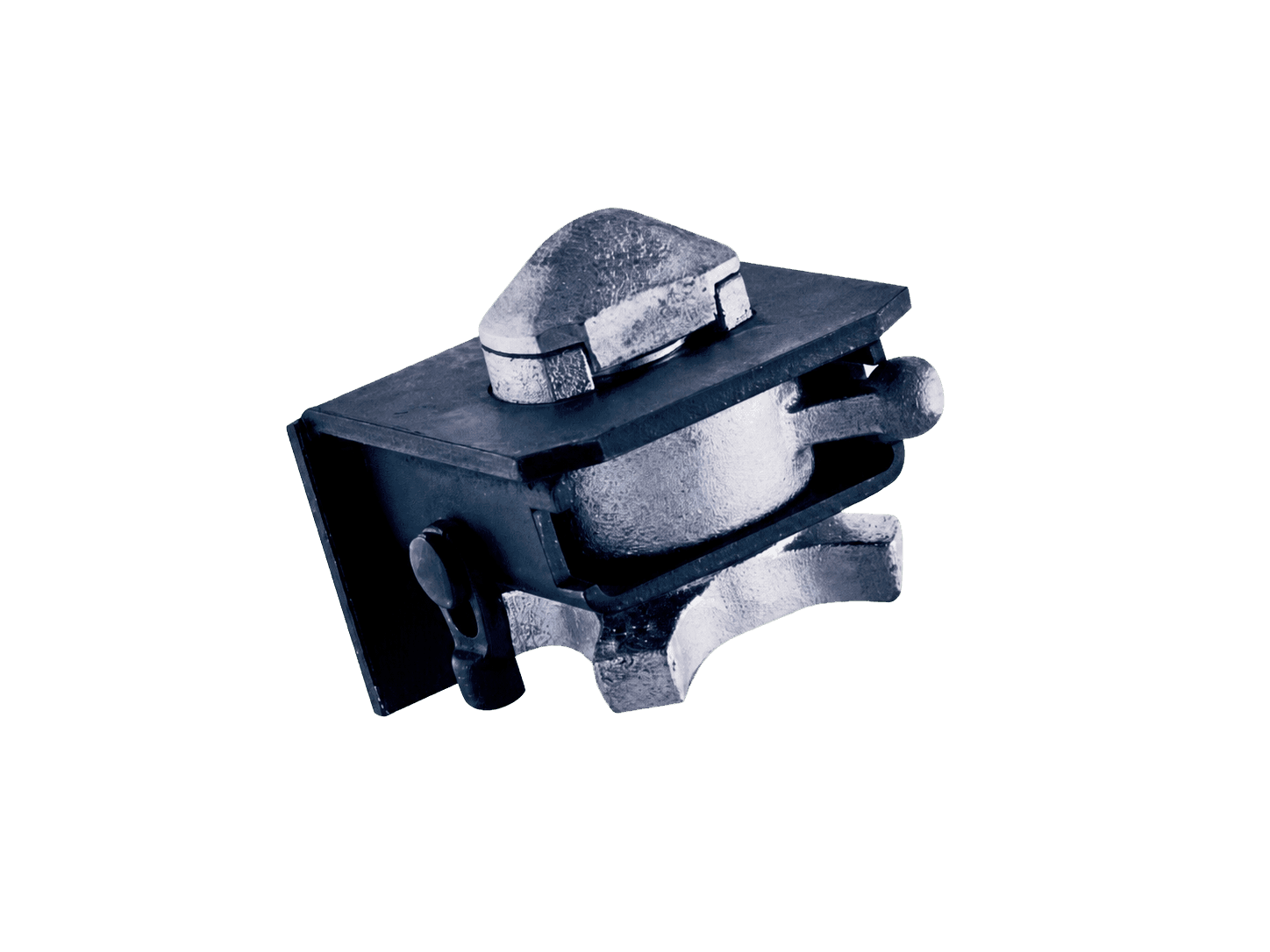
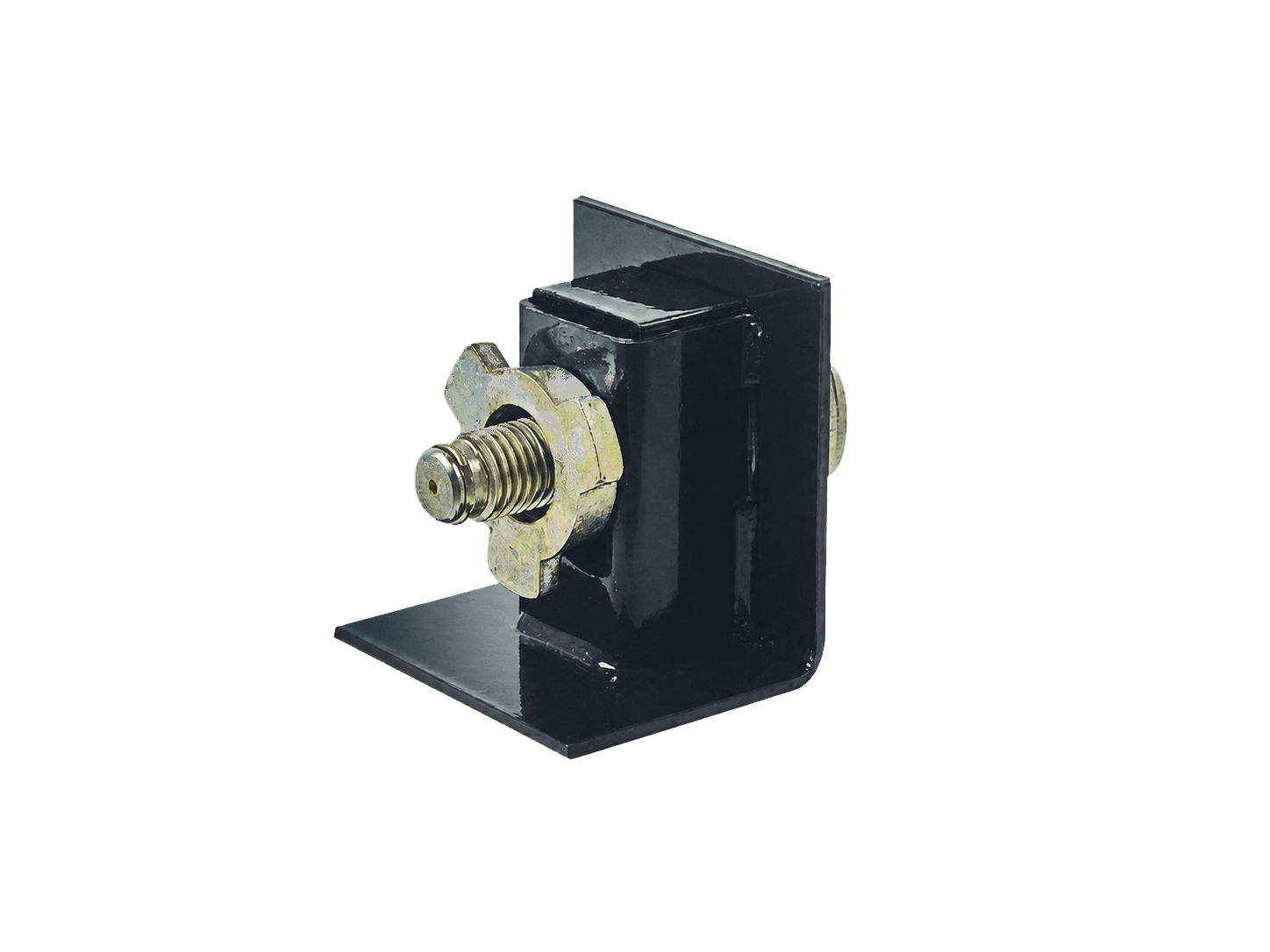
A container lock forms part of the interface between the container and the vehicle structure. In operation, the lock engages at the relevant container connection point and provides a mechanical means of retaining the unit on the supporting chassis. TMS-119 is identified as a large-format design, but the product facts do not define a universal container type, chassis design or installation position for every application.
For vehicle builders and workshops, the lock should therefore be considered as one part of a complete securing arrangement rather than as an isolated replacement. The chassis layout, container connection geometry and the number and position of locking points all influence whether a particular component is suitable. The locking arrangement should be assessed within the vehicle manufacturer’s design and operating requirements.
Selection and compatibility checks
Before ordering TMS-119, confirm the intended mounting position and the corresponding connection dimensions on the chassis. The mating geometry at the container interface must also be checked. These details can vary between trailer designs, chassis configurations and replacement applications, so the product code alone should not be treated as proof of compatibility.
The enquiry should identify whether the requirement concerns a new chassis project, a production replacement or maintenance of an existing vehicle. Provide available drawings, photographs and dimensional information for the mounting area, together with the container interface details where possible. If any dimension or application condition is unclear, verification with the technical team is recommended before the order is released.
Installation context
Installation should follow the approved design for the carrier chassis and the workshop’s established engineering procedures. The mounting arrangement, orientation and access for operation should be confirmed before the component is fitted. The available product information describes TMS-119 as a mechanically operated lock with a large-format body, but it does not specify fasteners, welding details, hole patterns or a standard installation method.
During assembly, the installer should make sure that the lock is correctly positioned in relation to the container connection point and that its movement is not obstructed by adjacent chassis components. Any supporting structure and attachment method must be suitable for the vehicle design and approved by the responsible engineering party. Do not assume that an existing mounting arrangement is interchangeable without checking its dimensions and condition.
Inspection and maintenance observations
As a mechanical securing component, a container lock should be included in routine vehicle inspections, particularly before a container is carried. The operator or technician can check for visible damage, deformation, excessive contamination, restricted movement and signs that the lock is not reaching its intended engaged position. The inspection should also include the surrounding mounting area, since wear or damage in the chassis interface can affect the overall securing arrangement.
Maintenance actions should be based on the vehicle manufacturer’s procedures and the condition found during inspection. Cleaning, adjustment or replacement should not be performed in a way that changes the designed engagement geometry. If the lock, its mounting area or the matching container connection shows damage, remove the vehicle from the relevant operation until the responsible technical party has assessed the condition.
Preparing a precise product enquiry
A useful enquiry for TMS-119 should include the product code, required quantity, vehicle or chassis application and whether the part is for production, retrofit or replacement. Add the available mounting dimensions, connection-point information and clear photographs showing the installed position or proposed location. A drawing or marked-up sketch can be especially helpful when the lock must fit an existing chassis arrangement.
Also state any known access limitations, orientation requirements or differences between the current component and the requested part. The supplied product facts confirm the large-format type and mechanical locking function, but they do not establish all dimensional or application variants. The technical team should therefore confirm the matching connection measurements and mounting arrangement before final specification, purchasing or installation.