
Component role in the vehicle layout
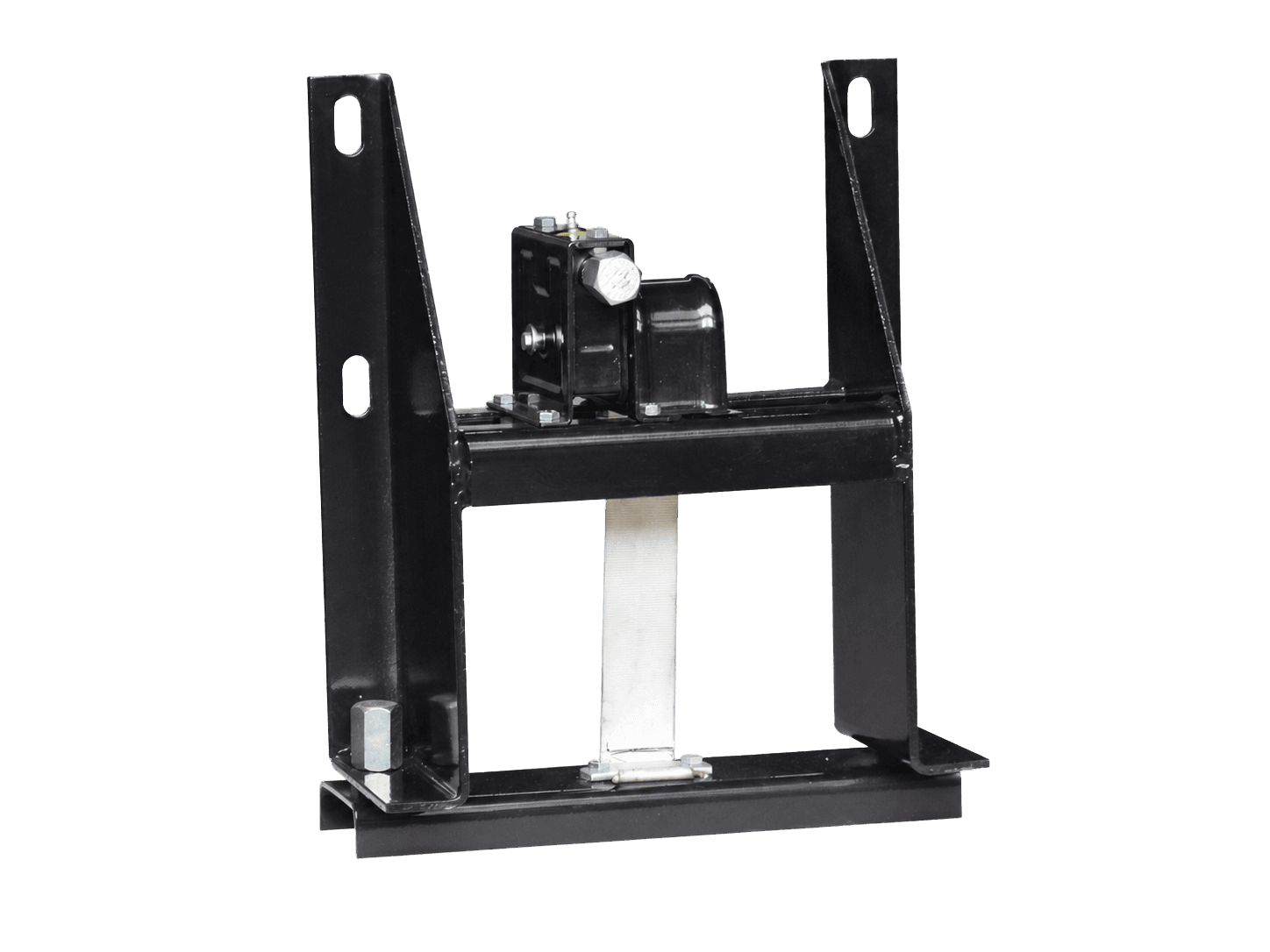
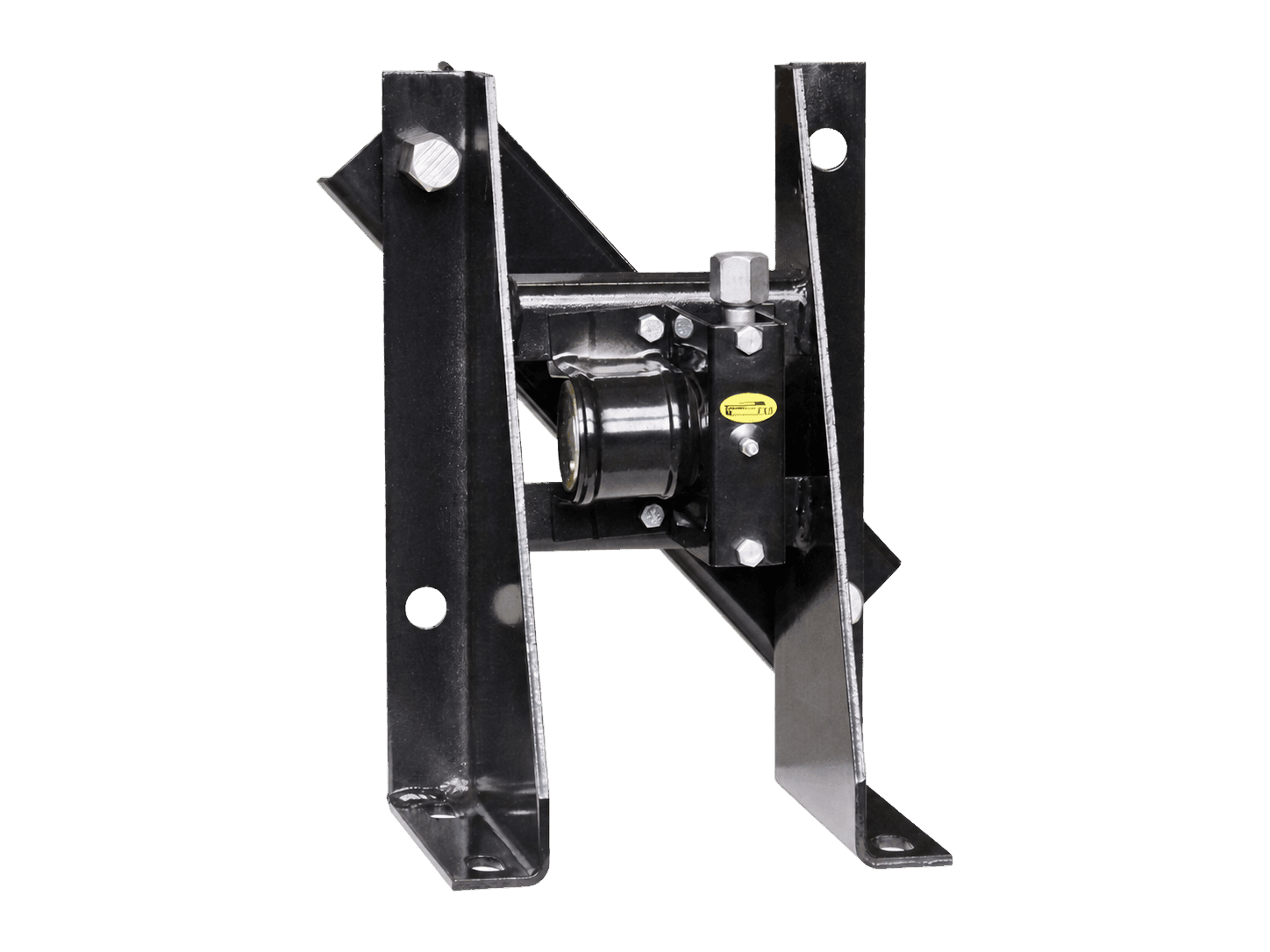
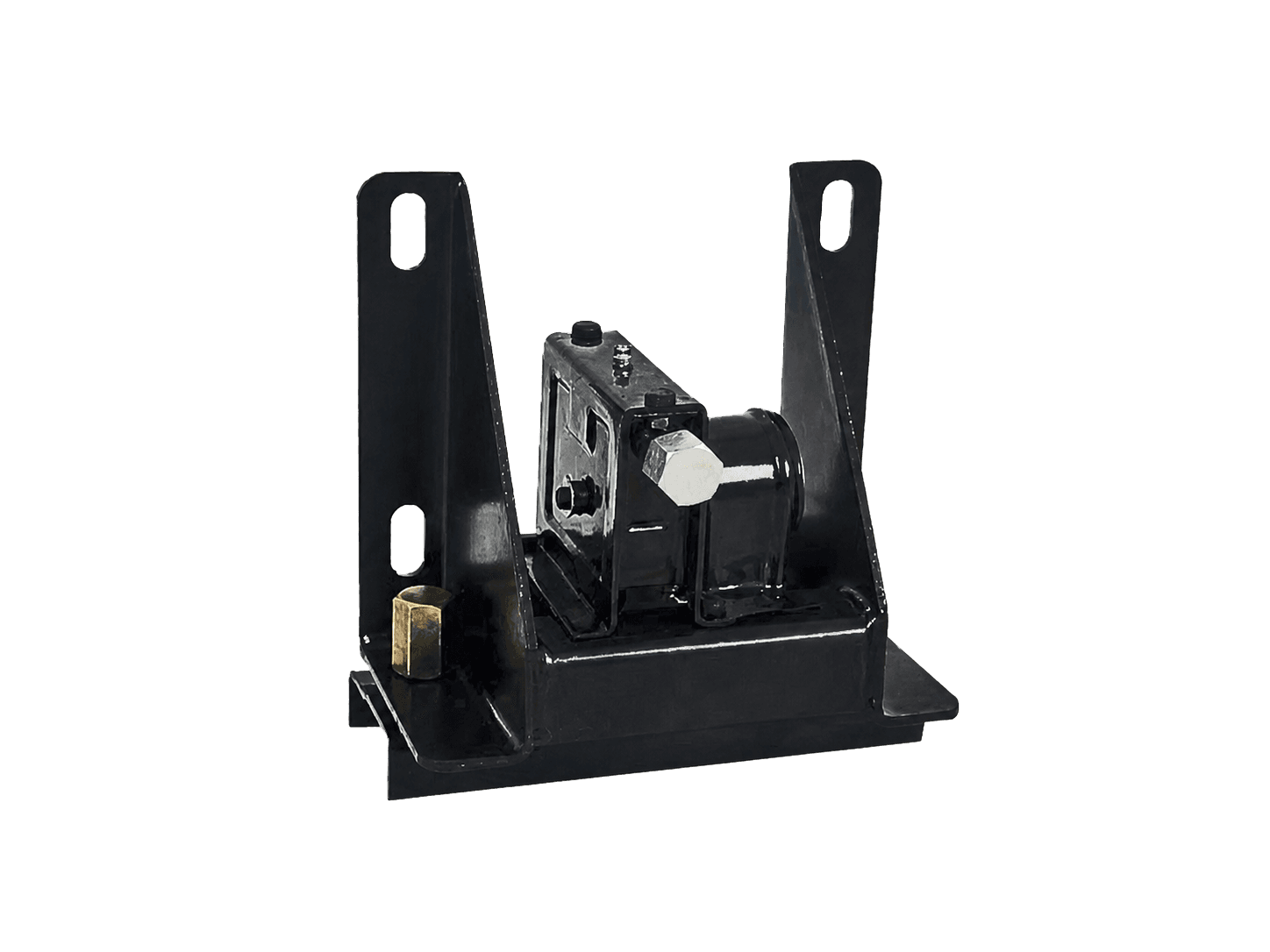
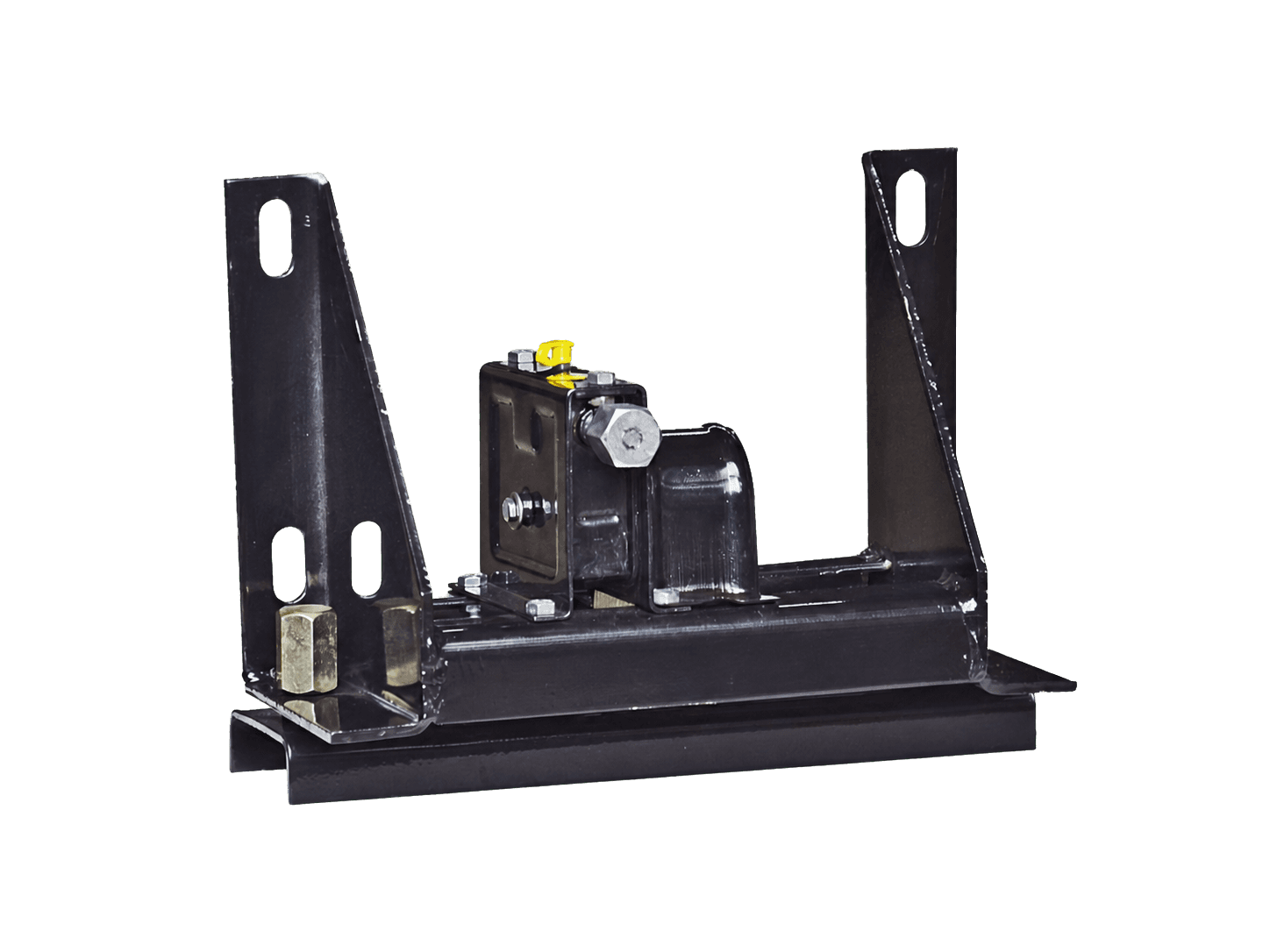
A spare wheel carrier provides a defined location for transporting the spare wheel with the trailer or truck. The TMS-110 is configured as a pilot-type carrier, with its form intended for a chassis mounting position. This makes it relevant to trailer and semi-trailer builders, vehicle body projects and replacement work where the spare wheel must be accommodated within the chassis arrangement.
The carrier forms part of the vehicle’s underbody equipment and should be evaluated alongside other components occupying the same area. Chassis members, axles, suspension-related parts, storage equipment and service access can all affect the practical position of the spare wheel. The final location should therefore be established from the vehicle drawing or a direct inspection of the chassis, not from the product name alone.
Selection and compatibility checks
The TMS-110 is identified as a chassis-mounted, pilot-type spare wheel carrier. Before selecting it, the responsible team should confirm the vehicle or trailer type, chassis configuration, intended mounting side or position and the spare wheel arrangement required by the project. The wheel itself, including its dimensions and mounting details, should also be checked against the carrier arrangement.
Exact compatibility is application-dependent and is not established by the product code alone. Confirm the chassis geometry, available clearance, mounting interfaces and access requirements with the technical team before purchase or installation. For new production, this review can be included in the vehicle design process; for renewal projects, an inspection of the existing chassis and current carrier location is advisable.
Installation within a trailer or truck workflow
In a new-build workflow, the carrier should be considered during chassis planning so that its position does not conflict with adjacent equipment or required service access. The installer should work from the approved vehicle layout and the relevant assembly instructions, checking that the selected mounting position corresponds to the actual frame configuration. The product is a mechanical carrying mechanism, so its installation should be treated as a structural and operational interface within the vehicle assembly.
For replacement or retrofit work, remove uncertainty before beginning the job. Record the existing spare wheel location, inspect the surrounding chassis area and compare the intended mounting arrangement with the replacement component. Do not assume that an earlier carrier position, a different chassis version or another vehicle configuration will provide direct compatibility. Any modification to the chassis or mounting arrangement should be assessed by the responsible engineering team.
Inspection and maintenance considerations
Inspection should focus on the carrier’s condition, mounting security and interaction with the spare wheel and chassis. During scheduled workshop checks, look for visible damage, looseness, deformation or interference around the carrier and its mounting area. The spare wheel should remain properly positioned within the intended carrying arrangement, with no condition that could affect clearance or access during normal vehicle service.
Maintenance intervals and procedures should follow the vehicle builder’s service practice and the applicable instructions for the installed assembly. Keep the carrier and its interfaces accessible for inspection, and investigate any change in position, unusual movement or visible deterioration before returning the vehicle to service. Because operating conditions and chassis designs differ, a universal inspection interval or performance claim should not be assumed without project-specific guidance.
Preparing a precise technical enquiry
A useful enquiry should include the product code TMS-110, the vehicle or trailer type, chassis drawings or clear photographs, the intended mounting position and the spare wheel details. Information about whether the requirement concerns new production, a replacement or a refurbishment project will also help the technical team understand the application. If available, provide the relevant chassis dimensions and the space reserved for the carrier.
Ask for confirmation of the mounting arrangement and compatibility before finalising the order. Where the application is unusual or the chassis has been modified, explain the surrounding equipment and any access limitations. Supplying complete project information at the start reduces uncertainty and allows the carrier to be assessed against the actual vehicle rather than against a generic chassis assumption.