
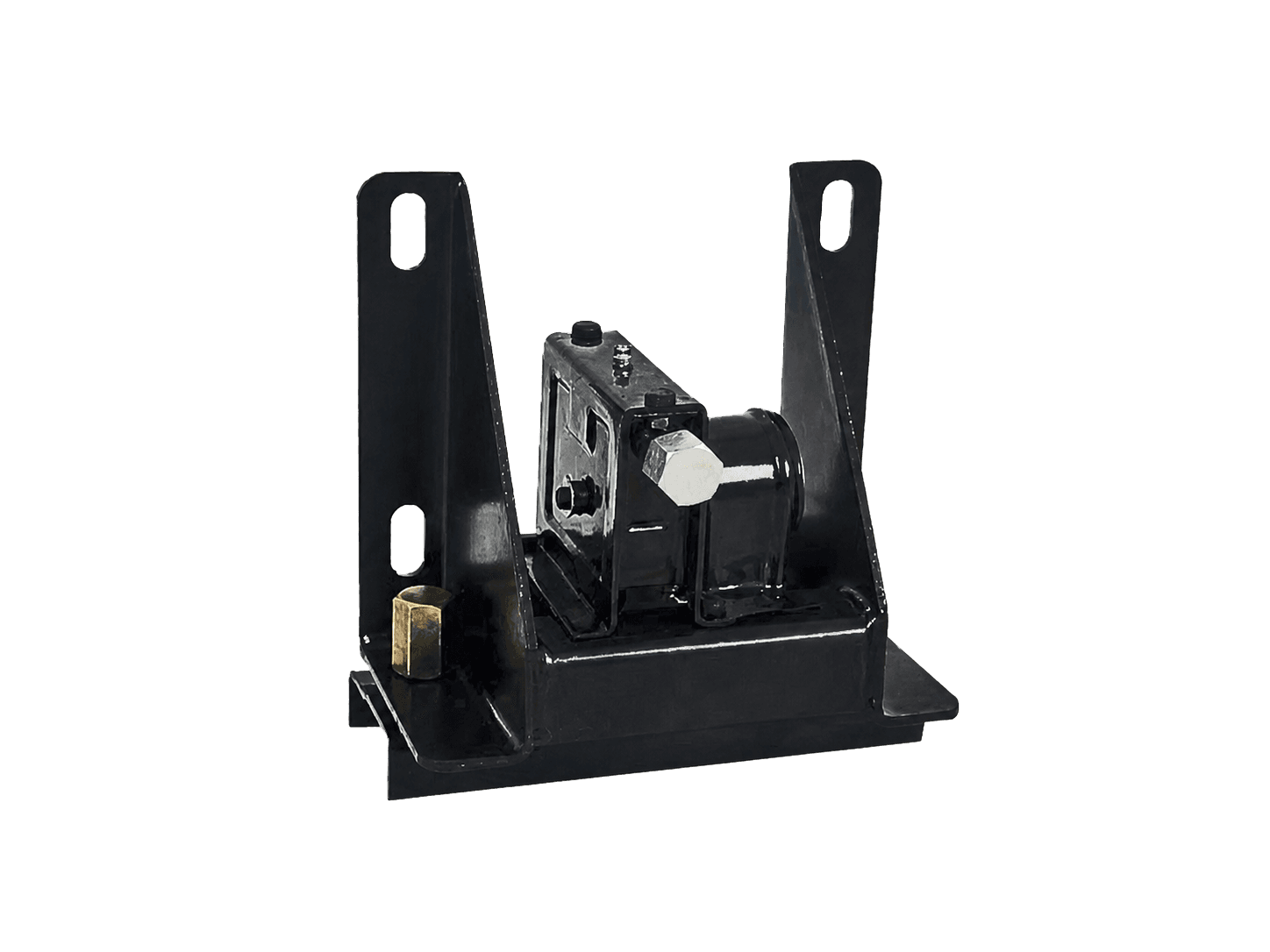
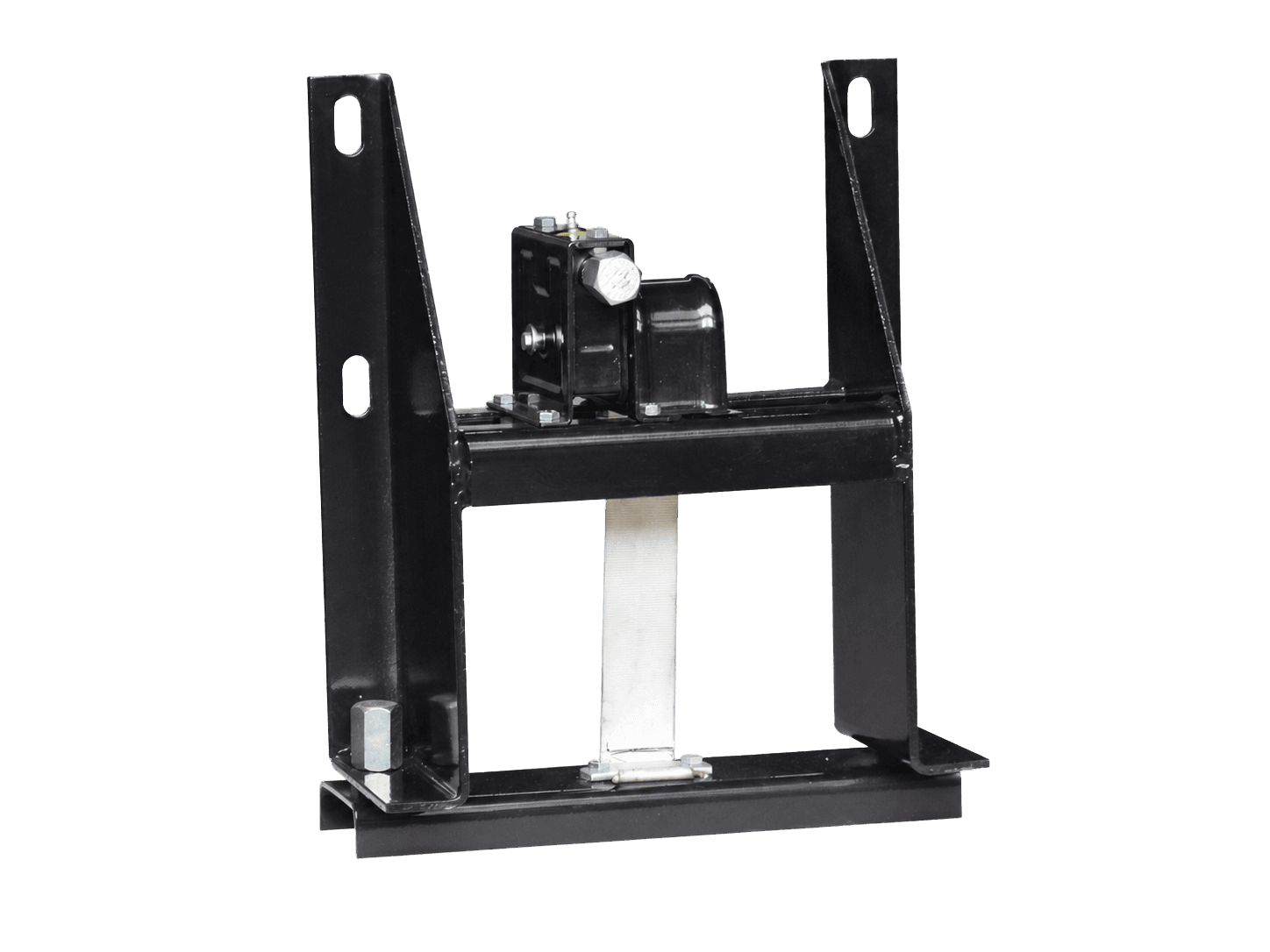
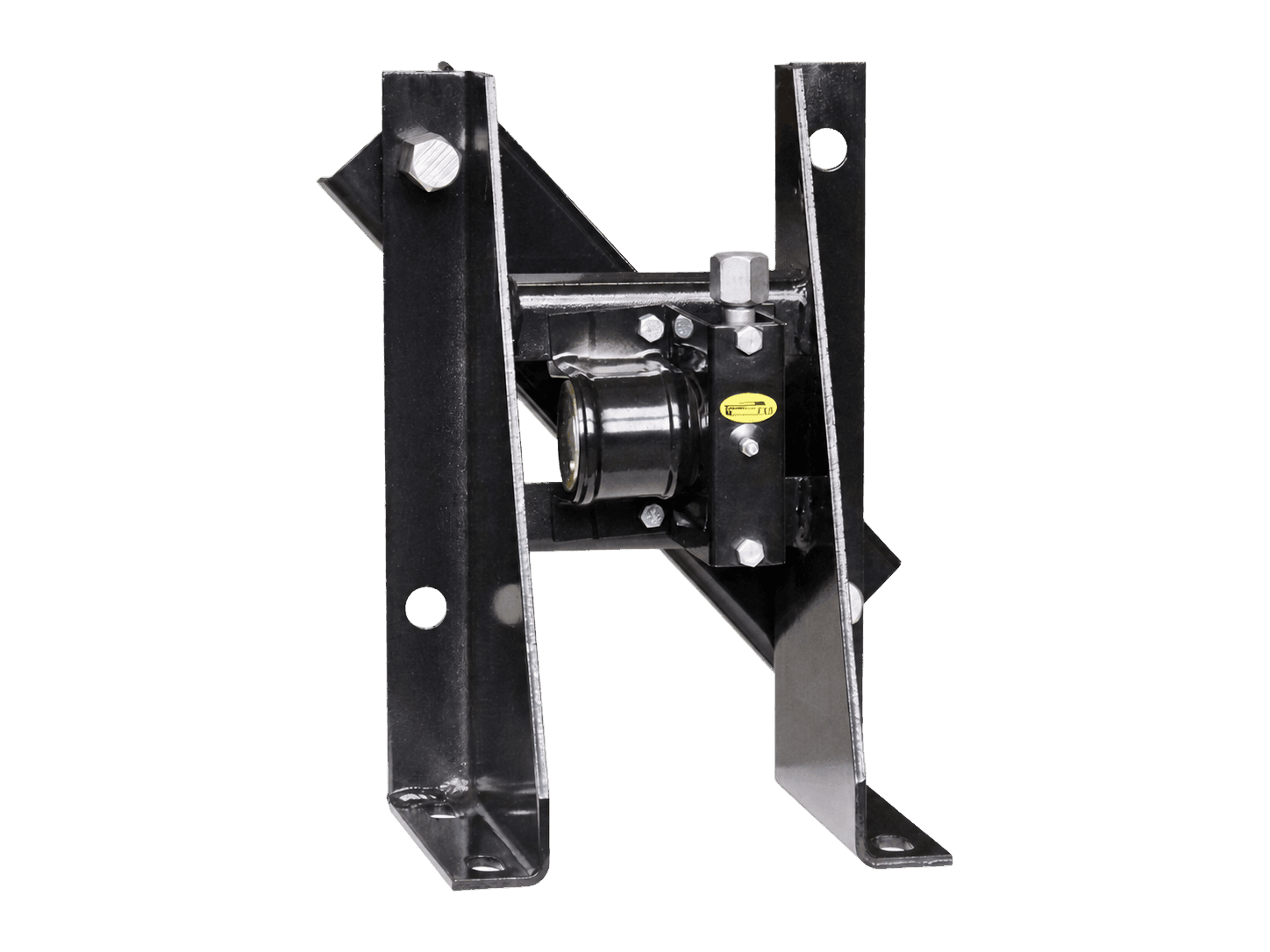
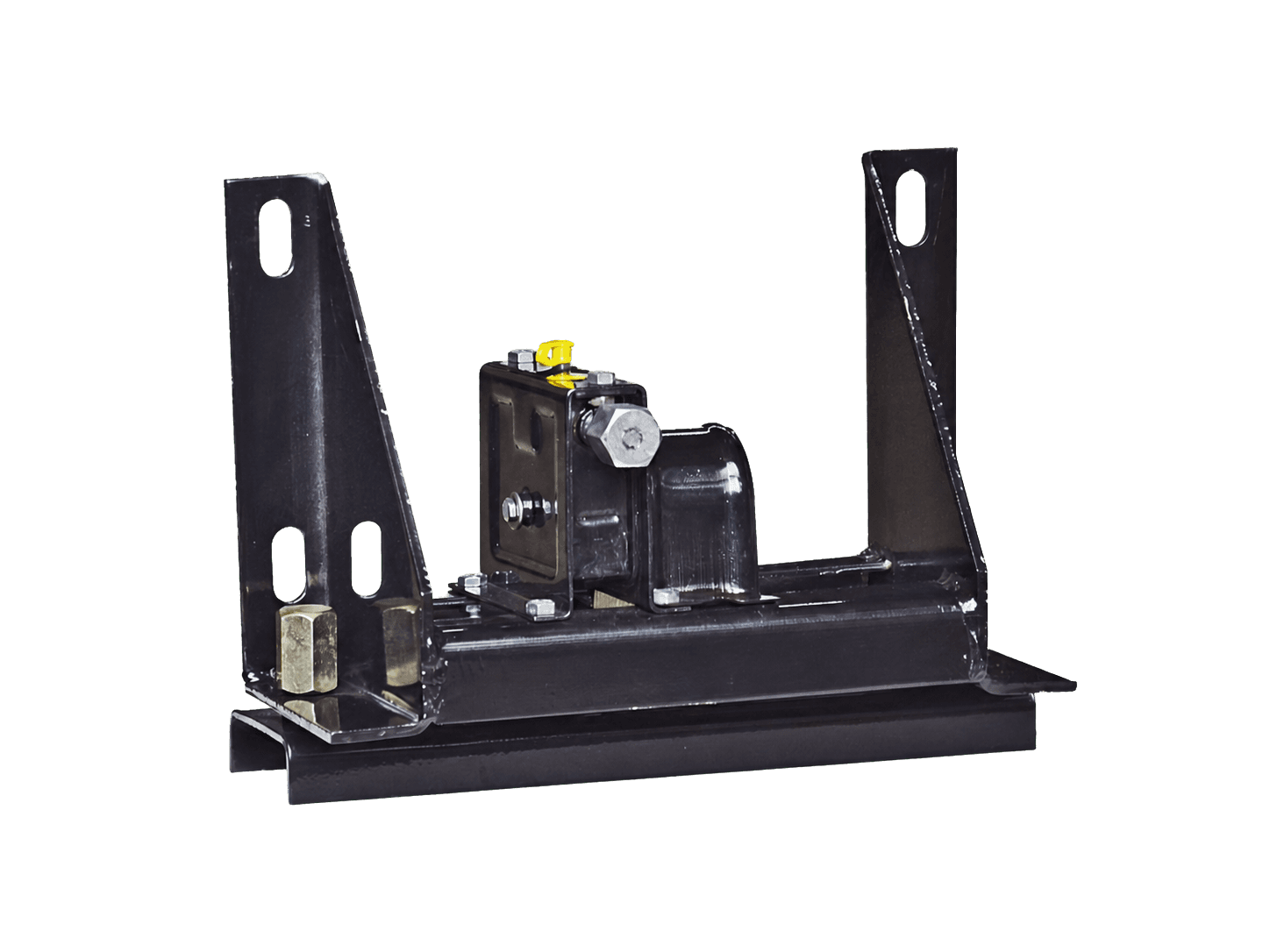
What the TMS-300 is designed to do
The TMS-300 belongs to the spare wheel carrier product group and is configured as a jumbo-type carrier. Its primary function is to provide a defined mechanical carrying arrangement for a spare wheel beneath or alongside a trailer or vehicle chassis, depending on the approved installation position. This can help incorporate the spare wheel into the vehicle equipment layout without treating it as an unsecured loose item.
The carrier is relevant to dorse and trailer chassis, spare wheel storage systems, new-build vehicles and renewal projects. The term “jumbo” describes the carrier arrangement rather than confirming a particular wheel size, load rating or vehicle class. Those details are application-dependent and should not be assumed from the product type alone.
Where it fits in the vehicle workflow
In a new trailer or truck-body project, spare wheel storage should be considered during chassis layout and equipment packaging. The proposed position may need to account for axles, suspension components, landing gear, brake lines, electrical routing, tanks, toolboxes and ground clearance. A chassis-mounted carrier is therefore part of the wider vehicle integration process, not an isolated accessory selected only after fabrication is complete.
For refurbishment work, the existing chassis condition and current equipment arrangement become equally important. Previous repairs, altered brackets, corrosion, changed wheel specifications or relocated components may affect the available mounting area. Before choosing the TMS-300 for a renewal project, the workshop should compare the intended position with the actual chassis and confirm that the carrier can be installed without interfering with service access or other vehicle functions.
Selection and compatibility checks
Compatibility must be verified against the vehicle or trailer chassis, the intended mounting position and the spare wheel to be carried. Useful enquiry information includes the chassis drawing or clear photographs, the available mounting envelope, the wheel and tyre dimensions, the wheel mounting details and the preferred access direction. If the vehicle has a special frame arrangement, unusual suspension packaging or limited underside clearance, these conditions should be stated at the start of the technical review.
The available product facts identify the TMS-300 as a chassis-oriented, jumbo-type mechanical carrier, but they do not establish universal compatibility, permitted wheel dimensions, mounting-hole details, material specification or capacity. Procurement personnel should therefore avoid selecting the carrier solely by product name. The manufacturer’s technical team should review the vehicle, chassis and application before the part is released for production or retrofit.
Installation and inspection context
Installation should be carried out by competent personnel using a mounting arrangement appropriate to the specific chassis. The final position, supporting structure, fasteners and any required reinforcement should be determined from the vehicle design and approved workshop practice. The carrier should not be fitted where it reduces required clearance, obstructs moving parts or creates access problems for routine servicing. No assumed mounting dimensions or installation method should replace a project-specific assessment.
After installation, the workshop should inspect the carrier’s attachment, alignment and operating movement before the vehicle enters service. The spare wheel should be positioned as intended, and the mechanism should be checked for secure retention and practical access. Inspection records can be useful for fleet maintenance, particularly where the carrier is installed during a larger chassis modification or refurbishment programme.
Maintenance observations and preparing an enquiry
Maintenance attention should focus on the condition of the carrier, its mechanical operating parts, the attachment area and the security of the spare wheel. Routine vehicle inspections should look for looseness, deformation, impact damage, contamination, corrosion or changes in clearance. Any problem that could affect retention or movement should be assessed before continued use. The appropriate inspection interval and service actions depend on operating conditions and the installation design.
A precise enquiry for the TMS-300 should include the product code, vehicle or trailer type, chassis details, wheel and tyre information, intended mounting location, available dimensions and whether the project is new production or refurbishment. Photographs, drawings and notes about nearby components can prevent avoidable clarification. Where any specification is uncertain, request a technical compatibility review rather than assuming that the jumbo-type arrangement will suit every chassis or spare wheel configuration.