
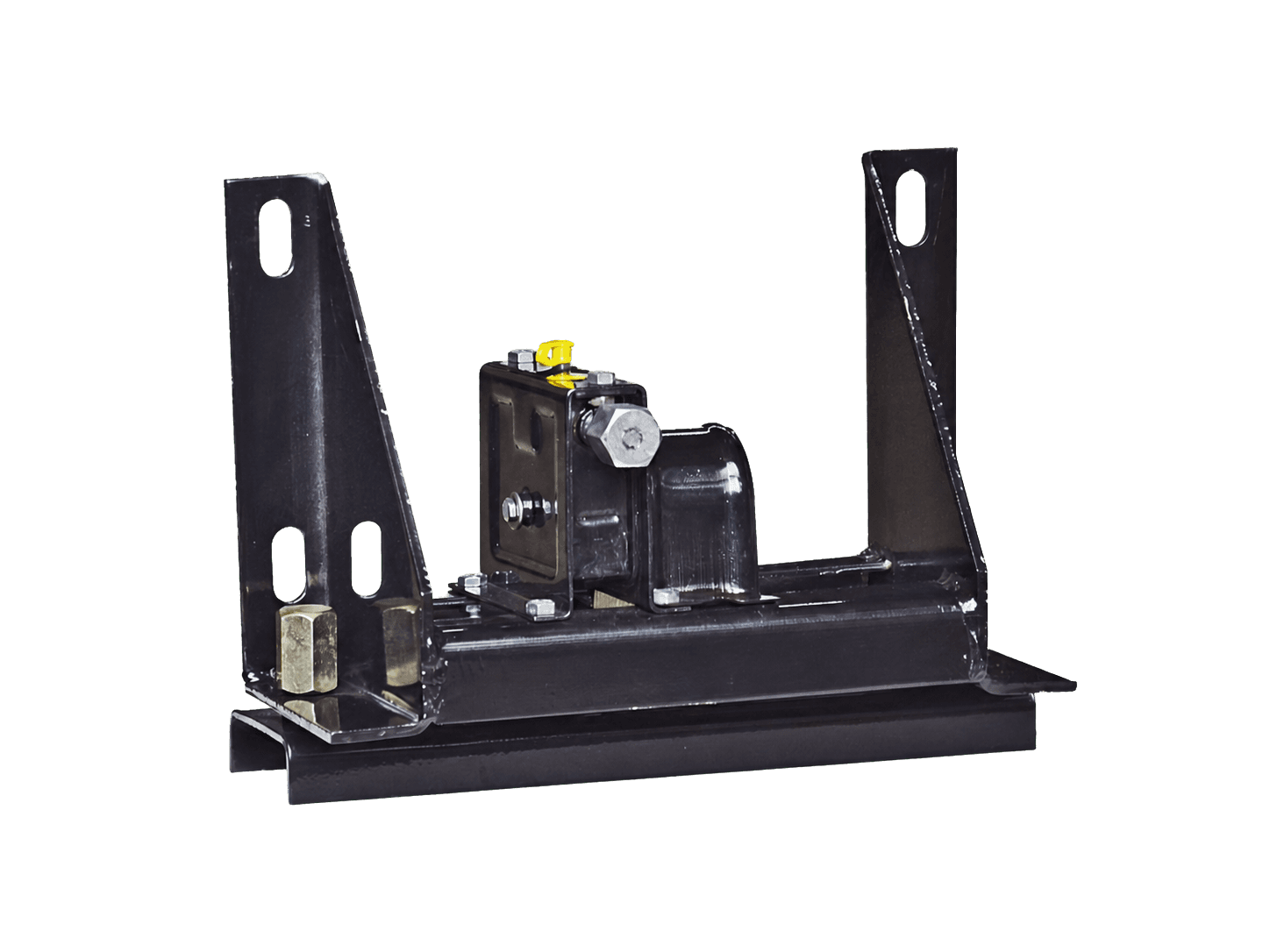
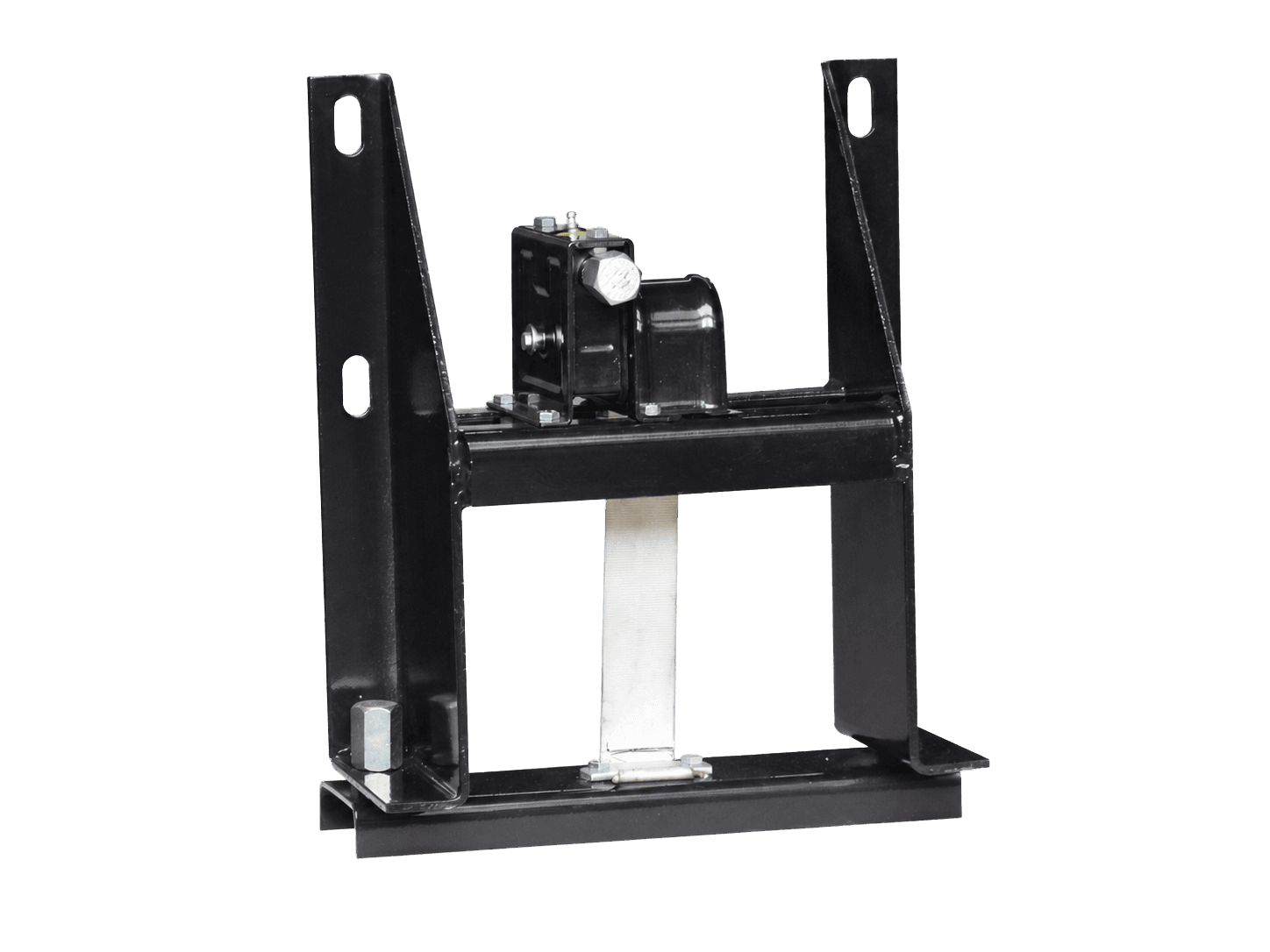
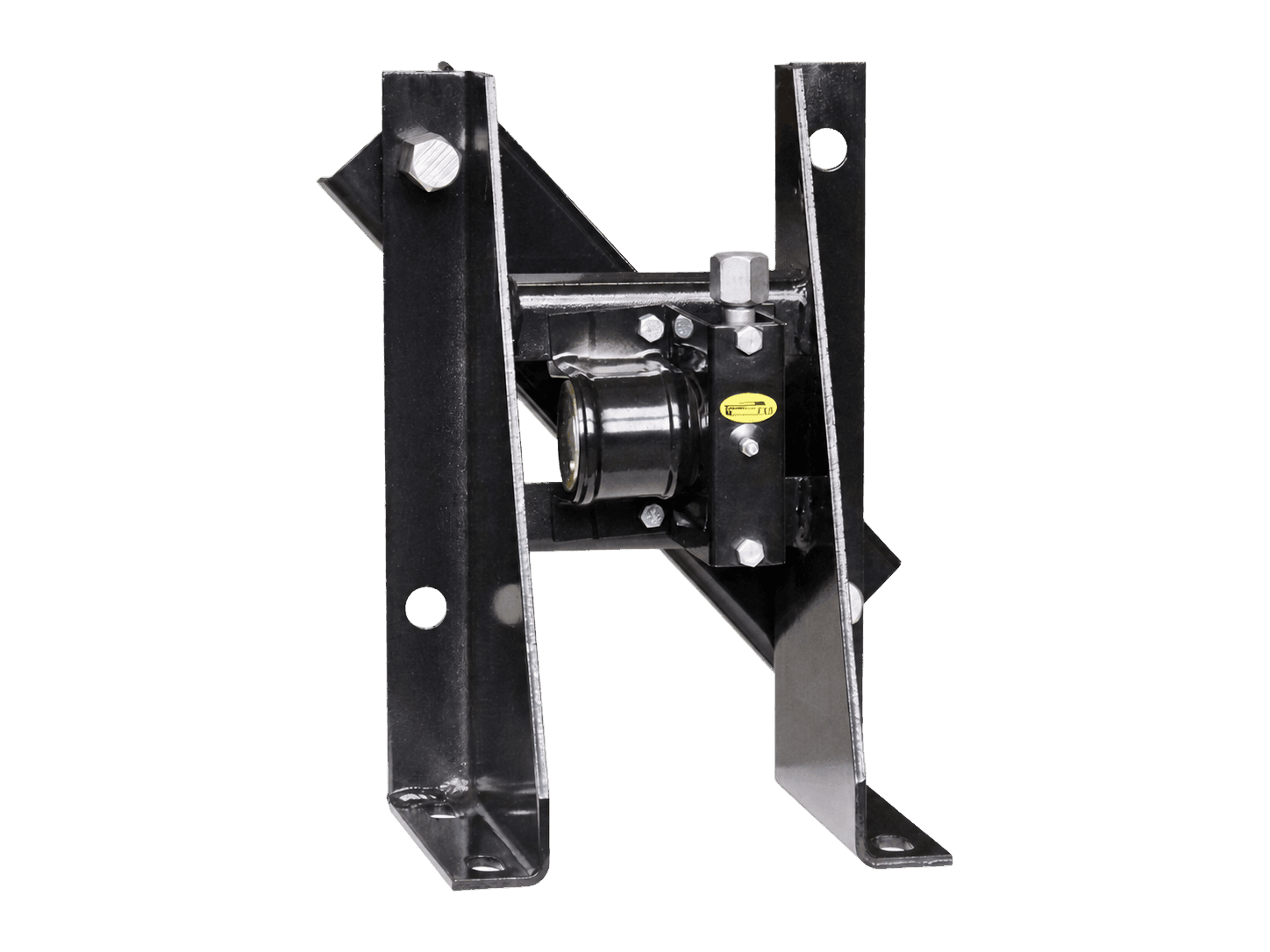
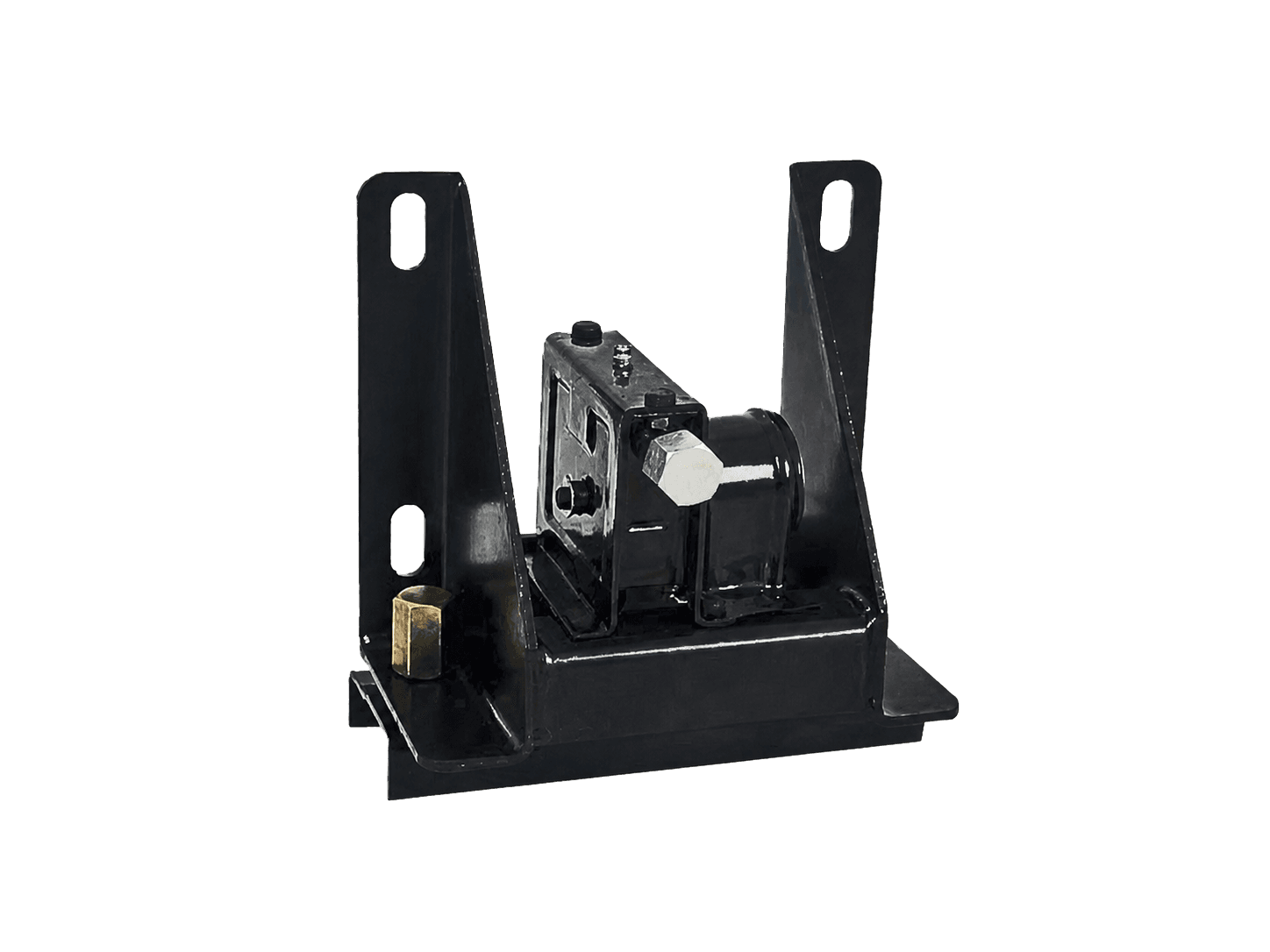
What the TMS-311 is designed to do
The TMS-311 belongs to the spare wheel carrier product group and is configured for chassis-oriented installation. Its short pilot-type arrangement is relevant to trailer and truck projects in which the carrier must be integrated into an existing frame layout rather than treated as a standalone storage accessory. The specific wheel position, access route and fixing arrangement remain dependent on the vehicle design.
In a typical vehicle workflow, the carrier is considered during chassis packaging, body integration or trailer build planning. It can form part of the spare wheel carrying system for a trailer chassis, but it should not be selected solely from the product name. The wheel dimensions, chassis geometry and intended operating conditions need to be reviewed before the mounting concept is approved.
Where it fits in trailer and truck projects
For trailer manufacturers and vehicle builders, a spare wheel carrier affects more than the location of the spare wheel. Its position can influence access for service work, clearance around chassis members and the practical route used to place or remove the wheel. A short body may be useful where the available layout is restricted, provided that the surrounding structure allows the carrier to be mounted and operated as intended.
Workshop and fleet requirements should also be included in the layout review. The spare wheel should be reachable without creating an avoidable obstruction to other equipment or routine inspection points. Before ordering, the responsible team should identify the chassis side or mounting area, available clearances and the wheel installation direction. These details help determine whether the TMS-311 is appropriate for the particular vehicle configuration.
Compatibility and selection checks
Compatibility must be verified against the actual vehicle or trailer chassis. Important information includes the chassis profile, mounting location, available fixing points, wheel and tyre dimensions, and the space required for the carrier’s mechanical movement. Where the carrier is being added to an existing vehicle, the condition and accessibility of the proposed mounting area should also be assessed rather than assumed.
The available product facts identify the TMS-311 as a short pilot-type, chassis-mounted spare wheel carrier; they do not establish universal fitment for every chassis or wheel assembly. Procurement teams should therefore provide a technical drawing or accurate installation information when possible. If any dimension, interface or application condition is uncertain, the vehicle details should be reviewed with the technical team before a final selection is made.
Installation and inspection context
Installation should follow the approved vehicle design and the applicable workshop procedures for the chassis. The mounting arrangement must be checked for correct positioning, secure attachment and adequate clearance from adjacent components. Attention should also be given to whether the installed carrier can be accessed for loading, unloading and visual inspection of the spare wheel without interference from bodywork or other chassis equipment.
After installation, the carrier and its mechanical mechanism should be inspected as part of the vehicle build or maintenance process. The review can include the condition of the mounting area, the security of the wheel support and the absence of contact with nearby components during intended operation. Any unusual movement, visible damage or interference should be investigated before the vehicle is returned to service.
Maintenance observations and preparing an enquiry
Maintenance personnel should keep the carrier and its operating area visible enough for routine checks. Dirt, impact damage, corrosion or changes in the mounting arrangement may affect the condition of the spare wheel carrying system and should be recorded according to the operator’s maintenance practice. The inspection frequency and any service actions should be determined by the vehicle manufacturer, fleet operator or responsible workshop based on the application.
A precise enquiry for TMS-311 should include the product code, vehicle or trailer type, chassis drawing or photographs, proposed mounting position, spare wheel and tyre details, and any known clearance limitations. It is also useful to state whether the request concerns a new build, a replacement or a retrofit. Providing this information allows the mounting concept and compatibility to be assessed directly instead of relying on assumptions about the chassis or wheel assembly.