
Role in a trailer or chassis system
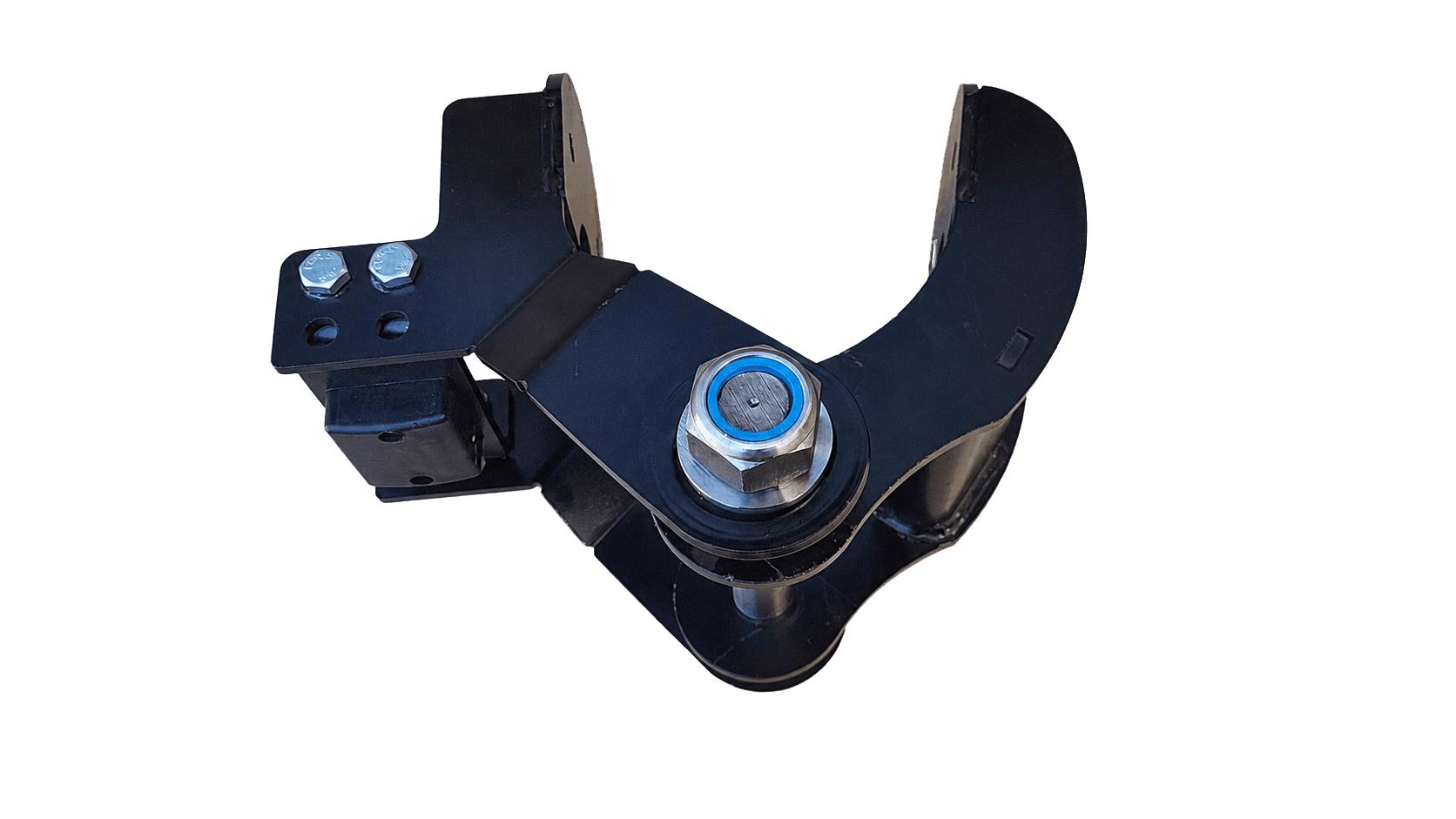
An axle-lifting attachment forms part of the mechanical connection arrangement associated with a liftable axle application. In a trailer build, its position and function are governed by the surrounding chassis structure, axle configuration and the lifting system selected for the vehicle. The TMS-155 provides the specified 70 mm connection dimension, while the complete operating arrangement must be defined by the vehicle or project design.
For bodybuilders and trailer manufacturers, this means the component is normally considered during chassis layout, suspension integration or an approved repair plan. It may also be relevant when renewing a part in an existing connection arrangement. The attachment alone does not establish the lifting method, permitted axle load or suitability of a particular vehicle.
Selection and compatibility checks
The 70 mm connection measurement is the starting point for selection, not the only criterion. Before ordering, compare the attachment with the mating part, mounting location, available clearance and the geometry of the axle-lifting mechanism. Check whether the surrounding chassis members and brackets provide the required space for installation and movement without interference.
Compatibility should be confirmed for the specific trailer, truck chassis or special-purpose frame. Important references include the vehicle identification, axle and suspension arrangement, connection drawing, mounting position and the intended application. Because the available project information does not define universal interchangeability, the technical team should verify these details before the TMS-155 is selected for a new build or replacement.
Installation planning and workshop practice
Installation should follow the vehicle or system design and the workshop’s approved procedures. Confirm the orientation of the attachment, the location of the mating hardware and the access needed for assembly before work begins. The surrounding structure should be examined for distortion, damage or previous modifications that could affect alignment. Any fasteners, supports or additional parts required by the complete arrangement must be identified from the relevant project documentation.
After fitting, inspect the connection visually and confirm that the components sit correctly within the intended mechanical layout. Check for contact with nearby chassis, suspension or axle components through the available range of movement defined by the system. If the mounting position or operating arrangement is unclear, pause installation and obtain a project-specific technical assessment rather than adapting the part without confirmation.
Inspection and maintenance observations
Routine inspection should focus on the condition of the attachment and its mating connection. Look for visible deformation, cracking, looseness, unusual contact marks or damage around the mounting area. The inspection should also include nearby brackets and structural members, since a problem in the surrounding arrangement may influence the alignment or security of the axle-lifting system.
Maintenance intervals and acceptance criteria should be set according to the vehicle manufacturer’s instructions, the fleet maintenance plan and the design of the complete system. Keep the connection area accessible for inspection and record any replacement or adjustment work. If wear, damage or unexplained movement is found, the vehicle should be assessed by a qualified workshop before returning the arrangement to service.
Preparing a precise enquiry
A clear enquiry helps the manufacturer or technical team assess the correct application. Include the product code TMS-155, the 70 mm connection dimension, the vehicle or trailer type, chassis or axle details, mounting position and whether the request concerns a new project, maintenance work or part renewal. A drawing, photograph or dimensional sketch of the mating arrangement can be particularly useful when the installation is not a standard configuration.
Also state the intended lifting-system layout and provide any available chassis documentation. Do not assume that the same attachment is suitable across different trailer or truck designs solely because the connection dimension matches. Technical confirmation should cover the vehicle, chassis, mounting location and application before procurement, installation or substitution is approved. This process supports a traceable decision and reduces the risk of fitting an unsuitable component.