
What the component is
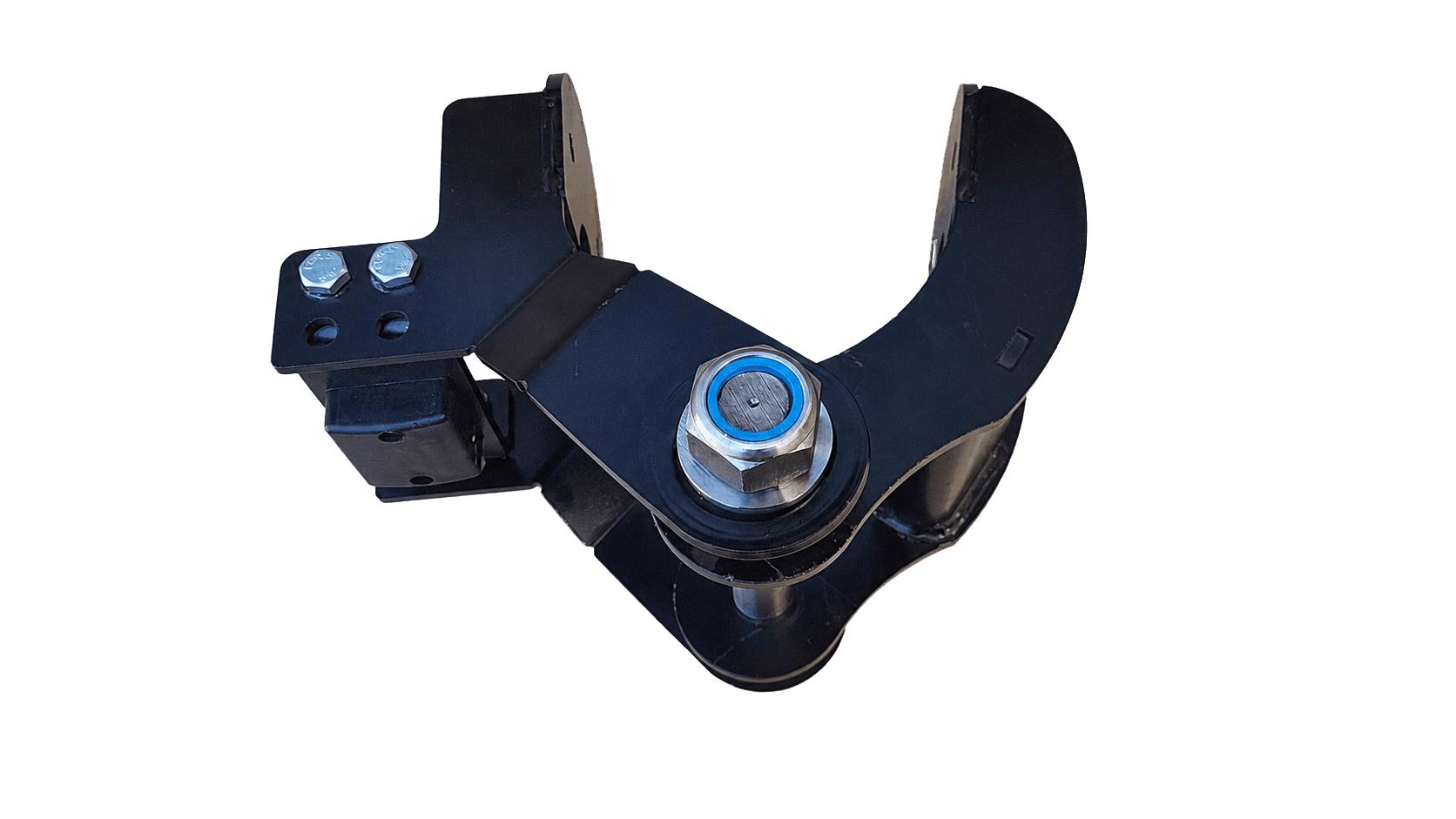
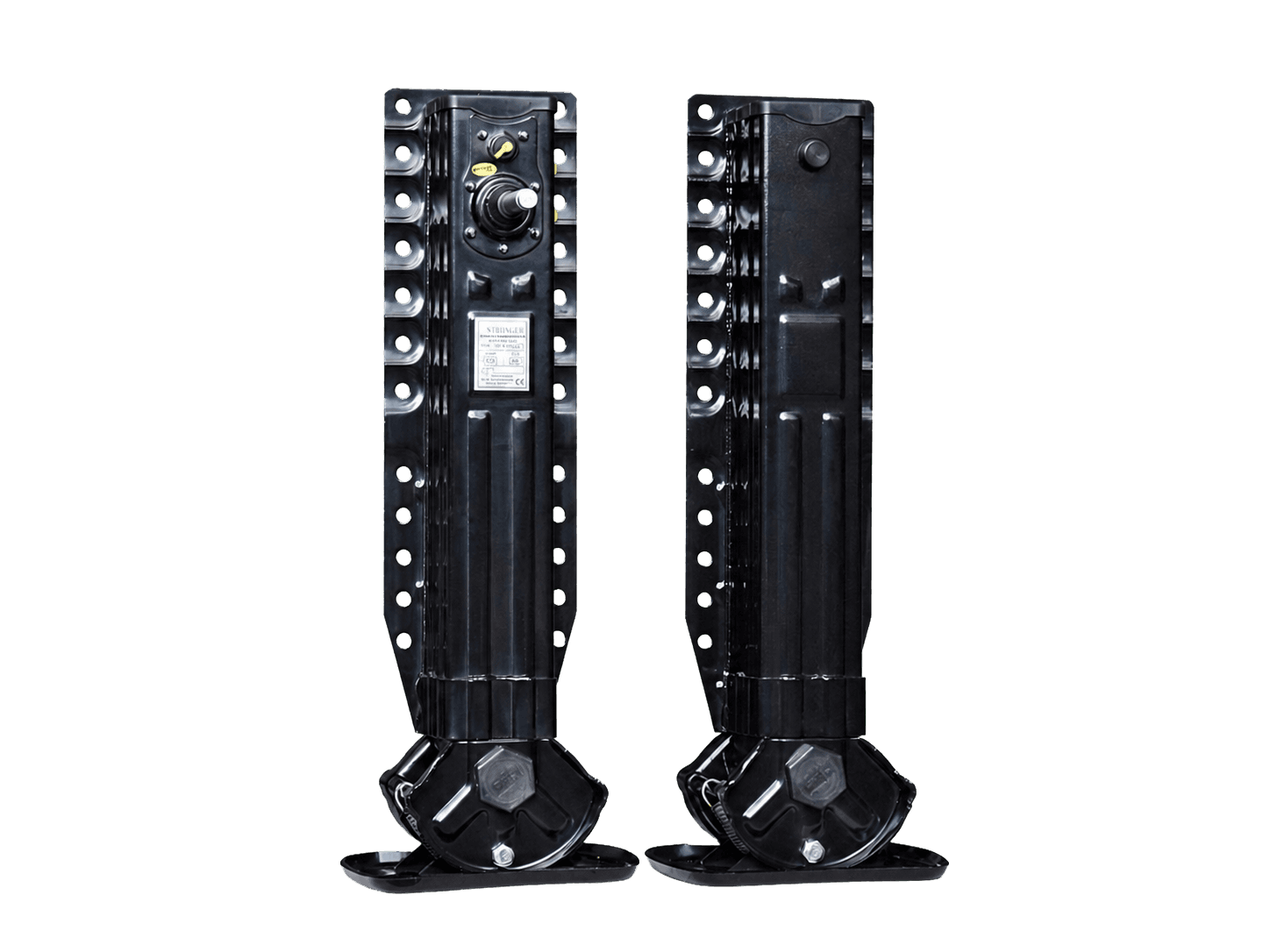
TMS-156 is designed as a mechanical attachment for an axle-lifting arrangement. The verified connection dimension is 100 mm, while the available product information does not define a universal vehicle fitment, lifting capacity or complete operating system. It should therefore be treated as a project component rather than a universally interchangeable replacement.
In a trailer or truck chassis workflow, the attachment forms part of the mechanical connection between the relevant lifting arrangement and the surrounding structure. Its position may depend on the axle layout, chassis geometry, mounting points and the design of the lifting system. The exact function of the installed assembly should be confirmed against the vehicle or trailer design documentation.
Where it fits in trailer and chassis work
The attachment may be considered for trailer connection applications, special chassis projects, and maintenance or component-renewal work. These uses can involve different frame configurations and different access conditions, so the same nominal 100 mm dimension does not by itself establish suitability for every application.
For original equipment construction, the vehicle builder should review the planned mounting location before the chassis enters final assembly. For repair work, the workshop should compare the existing arrangement with the intended replacement, including the axle position and adjacent components. If the part is being introduced into a modified system, the responsible engineer should confirm the mechanical layout and operating sequence.
Selection and compatibility checks
Before requesting TMS-156, record the vehicle or trailer type, chassis arrangement, axle location, intended mounting position and the role of the attachment within the lifting mechanism. The 100 mm connection dimension should be checked against the mating component, but other interfaces may also determine whether the part can be used. These can include available clearance, fastener arrangement and the direction of applied movement.
Do not infer load capacity, material specification, certification or compatibility with a particular axle from the product code or dimension. Those details are not defined in the available product facts. Confirm the complete assembly with the technical team, particularly where the attachment will be used on a special chassis, in a revised mounting arrangement, or as a substitute for a discontinued component.
Installation and inspection context
Installation should follow the approved drawing or workshop procedure for the relevant trailer or chassis. Before fitting, verify the mounting position, mating parts and clearance around the axle-lifting mechanism. The installer should also ensure that the attachment is oriented as intended by the system design and that no surrounding member prevents the required mechanical movement.
After installation, inspect the connection as part of the complete assembly rather than assessing the attachment in isolation. Check that the mating parts sit correctly, the mechanism moves as intended within its designed range, and there is no visible interference with the chassis, axle or nearby equipment. Any uncertainty about fastening details, adjustment or operating limits should be referred to the vehicle designer or technical team.
Maintenance observations and preparing an enquiry
For maintenance and fleet service, include the attachment in routine visual inspections of the axle-lifting arrangement. Look for changes in alignment, looseness, deformation, contact marks or interference with adjacent components. The inspection frequency and any replacement criteria should be set by the vehicle or system manufacturer because no universal maintenance interval or service limit is specified for TMS-156.
A precise enquiry should include the product code TMS-156, the required 100 mm connection dimension, the vehicle or trailer identification, chassis drawings or clear photographs, the mounting location, and the intended application. State whether the request concerns new construction, a special chassis project, or replacement of an existing part. Providing this information allows the technical team to verify the vehicle, chassis, mounting position and complete system compatibility before supply or installation.