
What the component does
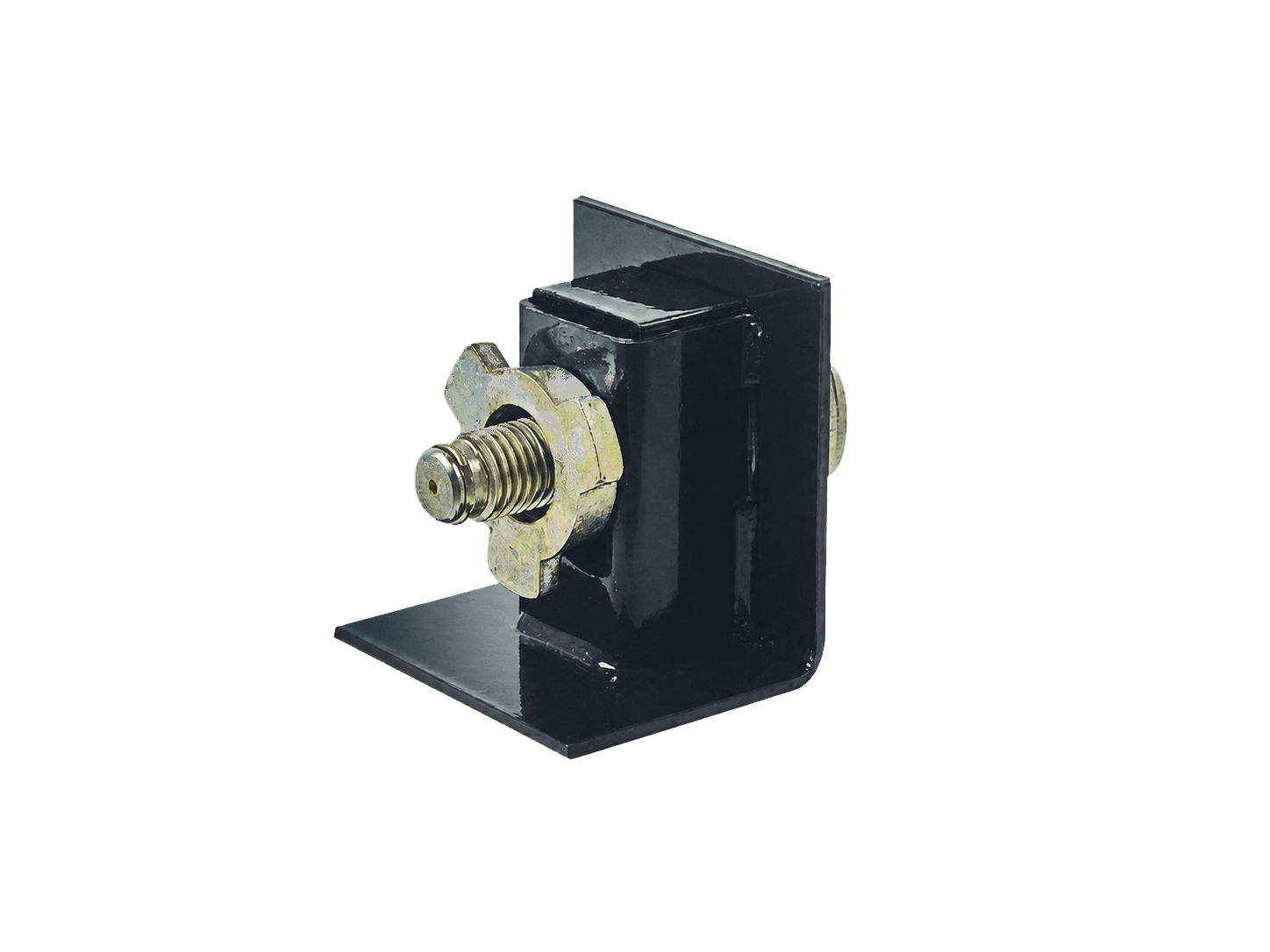
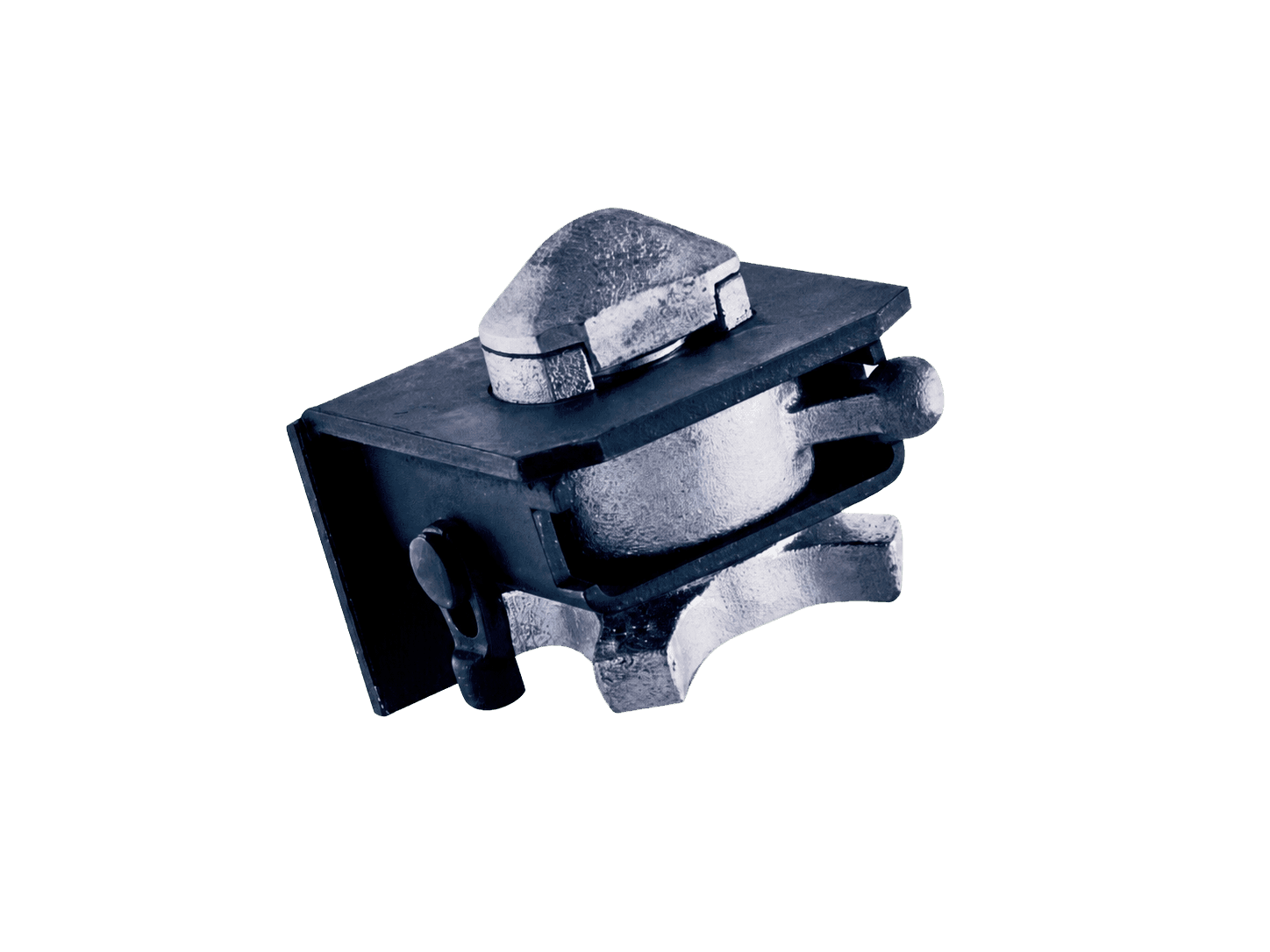
A container lock provides a mechanical interface between the container and the carrying structure. In practical terms, the lock is positioned at a designated connection point on the chassis and engages with the corresponding container corner fitting or connection feature. The TMS-120 belongs to the flat-type container lock category and is identified by the product code TMS-120.
The lock is one element within a larger load-securing arrangement. Its suitability depends on the complete system, including the chassis structure, the number and location of locking points, the container configuration and the way the vehicle is operated. This product information confirms the mechanical locking principle, but it does not define a universal vehicle application or replace project-specific engineering review.
Where it fits in trailer and truck workflows
In a trailer or truck-body project, container locks are considered during the definition of the carrying platform and its connection points. The mounting position must correspond with the intended container geometry while allowing the chassis structure, support members and adjacent components to be assembled without interference. For a new build, the lock should therefore be reviewed alongside the frame drawing and the planned container interface.
The TMS-120 may also be considered during repair, part renewal or refurbishment of a container carrier chassis. In these situations, the replacement decision should be based on the existing mounting arrangement rather than on appearance alone. A flat-type body may resemble other components while differing in connection dimensions, operating clearance or mounting requirements. Confirming the original design and application before ordering helps prevent unsuitable substitutions.
Selection and compatibility checks
Before selecting TMS-120, verify the vehicle or trailer type, chassis design, intended container interface and exact mounting position. The matching connection dimensions should be checked against the project drawings or the component being replaced. Relevant checks may include available space, orientation, access for operation and the relationship between the lock and nearby frame or deck elements.
Compatibility should be confirmed with the technical team whenever drawings or original component information are incomplete. Product code alone is not enough to establish suitability for every chassis. Provide the container type, vehicle application, mounting location, existing lock details and any available dimensional information so the proposed arrangement can be reviewed accurately. If the lock is being used in a modified chassis, describe the modification rather than assuming the original application remains valid.
Installation and inspection context
Installation should follow the approved vehicle or trailer design and the mounting method defined for the specific project. The flat body must be positioned correctly at the designated chassis connection point, with the locking mechanism accessible for normal operation. The surrounding structure should be checked for interference before final assembly, particularly where deck plates, cross-members or other fittings are close to the lock.
After installation, inspect the seating and alignment of the component and confirm that the mechanical locking movement is unobstructed. The corresponding container connection should engage as intended within the approved arrangement. Workshop personnel should also examine the mounting area for deformation, damage or looseness before returning a vehicle to service. Any abnormal condition should be assessed by a suitably qualified technician rather than corrected through unverified modifications.
Maintenance observations and preparing an enquiry
Maintenance planning should include routine visual checks of the lock, its mounting area and the surrounding chassis structure. Look for wear, distortion, corrosion, cracks, contamination or changes in operating movement, while following the inspection procedure used by the fleet or workshop. The frequency and acceptance criteria should be determined by the vehicle operator, application conditions and applicable maintenance documentation; no fixed service interval is specified here.
For a precise enquiry, include the product code TMS-120, the vehicle or trailer application, chassis drawings or photographs, the intended mounting position and the relevant connection dimensions. State whether the request concerns a new container carrier, a production project or replacement of an existing lock. Providing these details allows the technical team to assess the flat-type form and mechanical locking arrangement against the actual chassis interface before an order is finalised.