
Role in the trailer coupling system
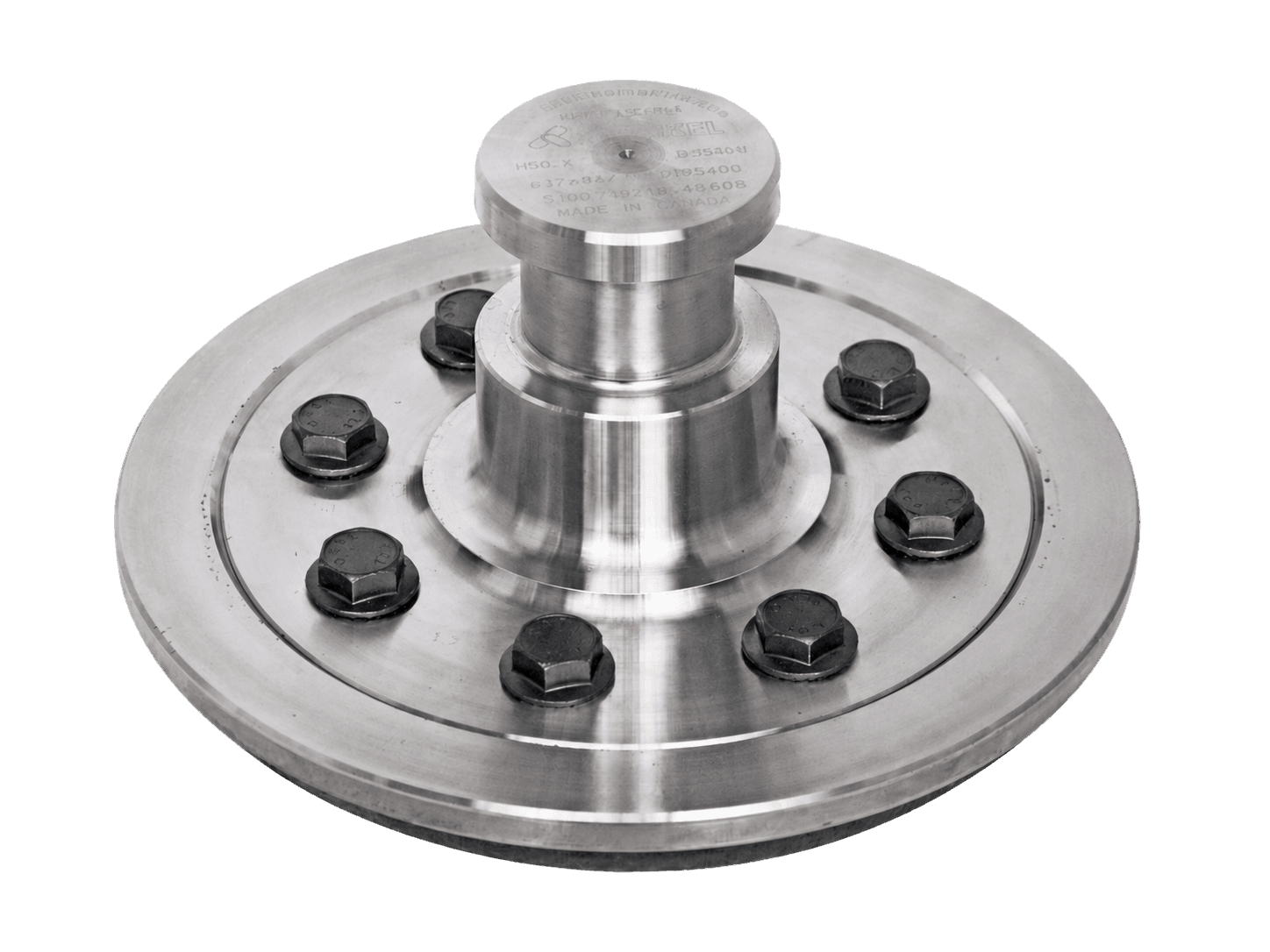
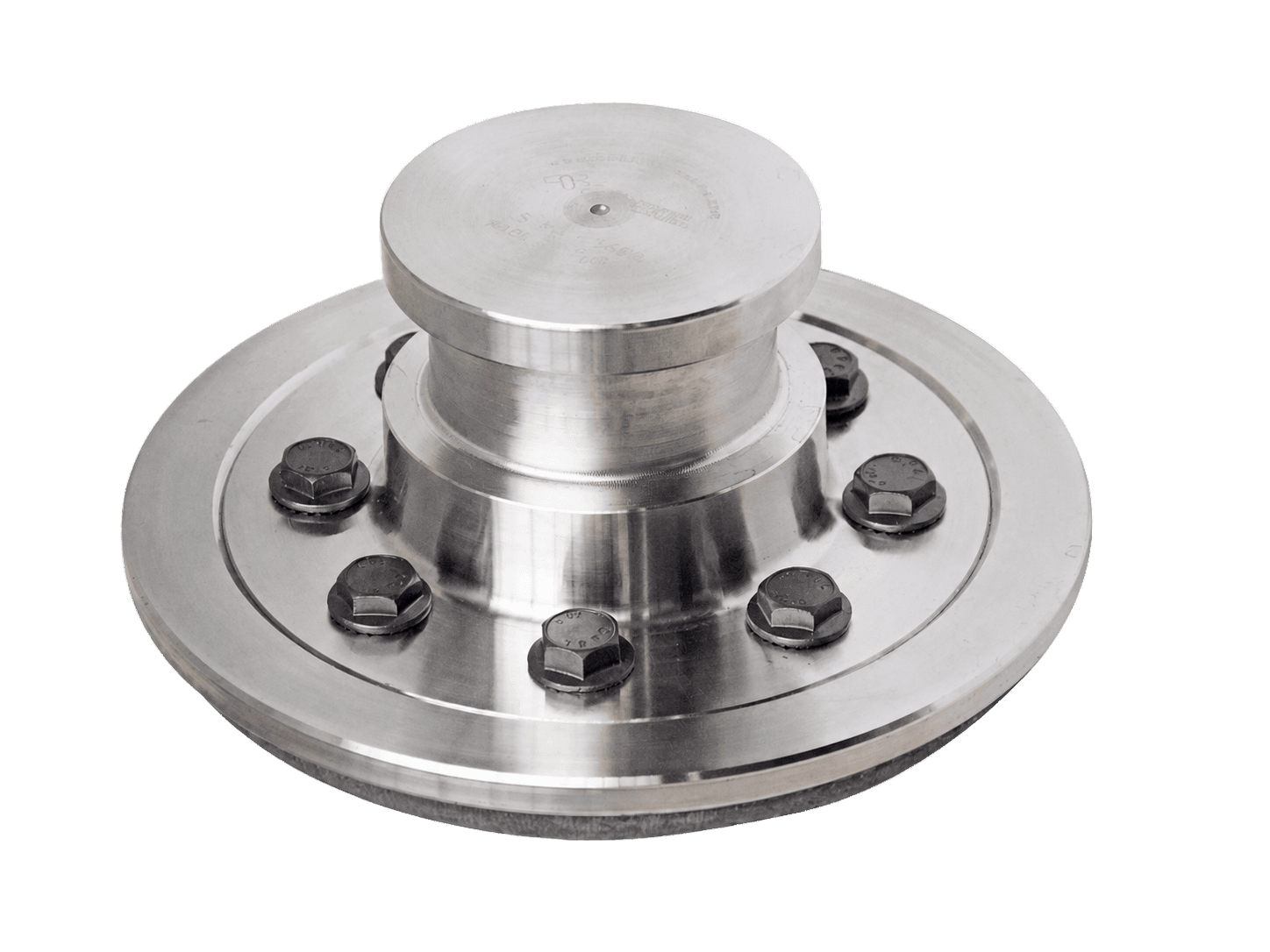
A kingpin is the central mechanical connection element that engages with the fifth wheel on the tractor unit. In a typical combination vehicle, the kingpin transfers the coupling interface between the trailer and the tractor while allowing the fifth wheel to support the front of the trailer and accommodate the required articulation during operation. The TMS-130 is specified for this trailer-to-tractor connection context and has a 2-inch connection size.
The kingpin should not be considered separately from the trailer chassis, mounting plate, fifth wheel and associated coupling components. Its suitability depends on the complete connection arrangement rather than on the nominal size alone. For this reason, a 2-inch designation is an important starting point, but it does not by itself confirm suitability for every trailer, tractor or chassis design.
Selecting the correct configuration
When evaluating the TMS-130, procurement and engineering teams should first confirm the required kingpin size and the intended position within the trailer structure. The mounting-plate arrangement, available installation space, chassis design and connection geometry should be checked against the vehicle drawing or the existing component. Replacement work also requires comparison with the part being removed, including the way the kingpin is secured to the trailer structure.
Compatibility should be reviewed as a project-specific decision. Confirm the trailer type, tractor-side fifth-wheel arrangement, mounting position, surrounding plate design and any relevant vehicle or body-builder requirements with the technical team before placing an order. If drawings, photographs or dimensional information are available, they can help clarify the application and reduce the risk of selecting a component that does not match the chassis arrangement.
New-build and replacement applications
For a new trailer or chassis project, the TMS-130 can be considered during the design of the trailer connection area. The engineering review should establish how the mounting plate integrates with the chassis and how the kingpin position relates to the fifth wheel, trailer geometry and intended operating configuration. The surrounding structure must be designed and prepared according to the responsible vehicle builder’s engineering practice.
In maintenance and part-renewal work, the kingpin should be assessed as part of the coupling system rather than replaced without inspection. The workshop should identify the reason for replacement, examine the mounting area and compare the proposed part with the vehicle records or original design information. Where the existing component, plate or chassis has been modified, technical confirmation is particularly important before installation.
Installation and inspection context
Installation should be carried out by qualified personnel using the applicable workshop procedures and the vehicle manufacturer’s or body builder’s instructions. Before fitting, verify the component identity, connection size, mounting orientation and condition of the supporting structure. The mounting surface and adjacent chassis area should be suitable for the planned installation; any uncertainty about fastening, welding or structural preparation should be resolved through the responsible engineering or technical team.
After installation, the coupling arrangement should be inspected before the vehicle returns to service. Checks should include the seating of the kingpin, the condition of the mounting area and the interaction with the tractor’s fifth wheel. The exact inspection and acceptance criteria depend on the vehicle design and applicable service procedures, so this guide should not replace the workshop documentation or a competent inspection.
Maintenance observations and technical enquiries
During routine service, fleet and workshop personnel should monitor the kingpin and its surrounding mounting structure for visible damage, deformation, abnormal wear, looseness or corrosion. The fifth wheel and other mating surfaces should also be examined because wear or damage in the wider coupling system may affect operation. Any finding that could compromise the connection should be investigated before continued use, following the operator’s maintenance process.
A precise enquiry should include the product code, TMS-130, the required 2-inch connection size, the trailer or semi-trailer type, the intended application and whether the request concerns a new build or replacement. Add the chassis or mounting-plate drawing, available dimensions, photographs and the tractor-side fifth-wheel information where possible. Confirming these details with the technical team allows the mounting arrangement and system compatibility to be reviewed before supply.