
Role in the trailer and tractor connection
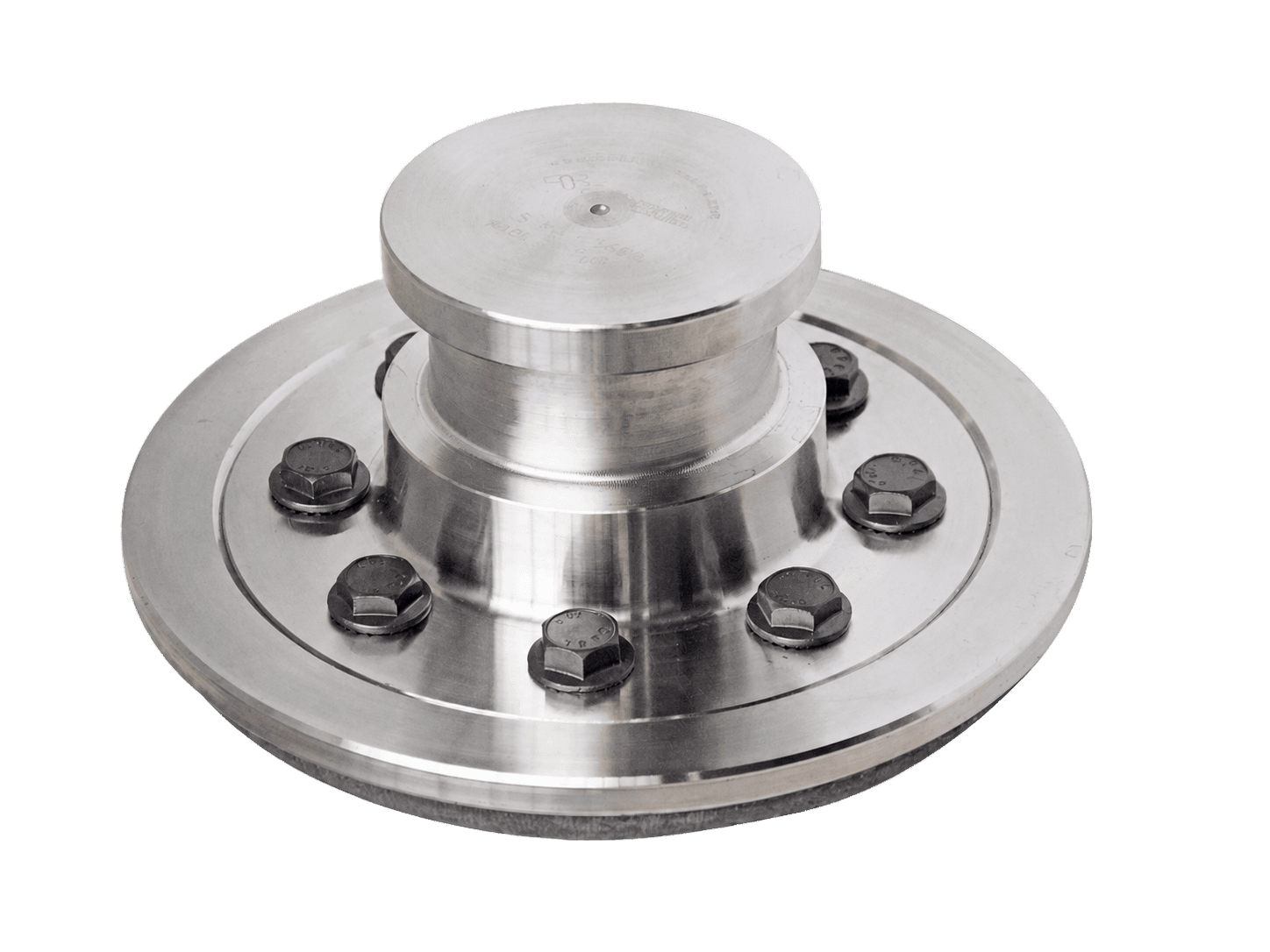
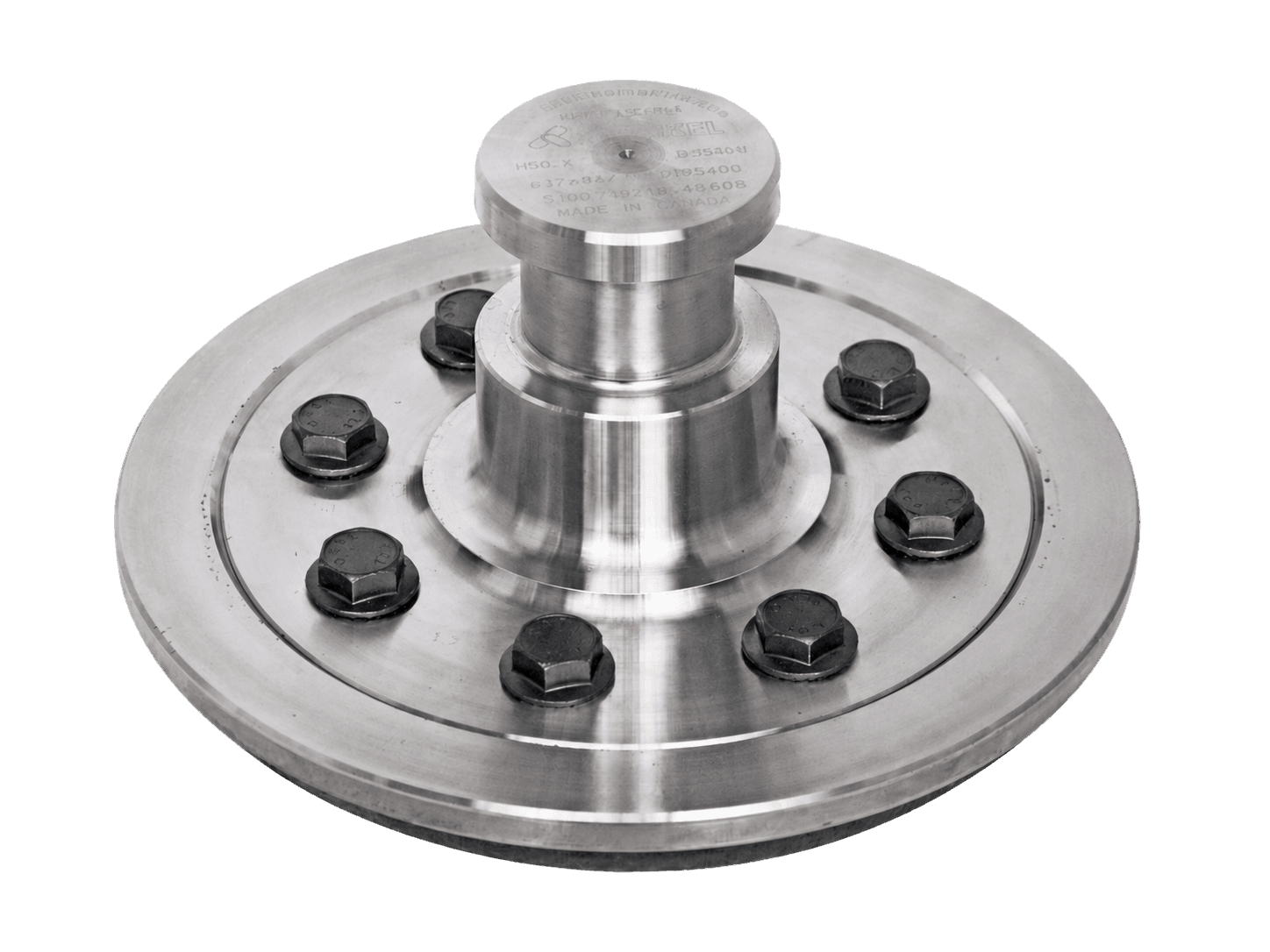
A kingpin is positioned beneath the front section of a semitrailer and engages with the fifth-wheel coupling on the tractor unit. In normal operation, this interface supports the mechanical connection between the two vehicles while allowing the articulated combination to manoeuvre. The TMS-131 is identified for this type of trailer-to-tractor connection and has a 3.5-inch connection measurement.
The kingpin is part of a wider coupling system rather than an isolated component. Its suitability depends on the fifth wheel, coupling plate, mounting structure and load path designed into the trailer chassis. For this reason, the product code should be considered together with the vehicle configuration, the intended trailer application and the installation position.
Where the component may be used
TMS-131 can be considered for trailer and semitrailer connection work, including new chassis production projects and maintenance or replacement applications. In a new build, the kingpin arrangement should be coordinated with the chassis and mounting-plate design before fabrication progresses. This helps the manufacturer confirm that the connection location and surrounding structure are defined consistently.
In repair or renewal work, the existing component and its mounting area should be inspected before a replacement is selected. The replacement must correspond to the required 3.5-inch connection measurement and to the physical arrangement of the trailer. A similar-looking part should not be treated as interchangeable without checking the vehicle, chassis and coupling system.
Selection and compatibility checks
The first check is the required connection size: TMS-131 is specified as a 3.5-inch kingpin. The next checks concern the mounting plate, fixing arrangement, available installation space and the structure to which the component will be attached. These details are important because the product information does not by itself establish compatibility with every trailer or fifth-wheel design.
Before placing an order, provide the technical team with the trailer or truck type, chassis information, coupling arrangement, mounting position and whether the requirement concerns new construction or replacement. If available, include drawings, photographs and the dimensions of the existing installation. Any applicable operating or regional requirements should also be identified for review; no conformity or certification claim should be assumed without confirmation.
Installation and workshop context
Installation should be carried out within the trailer manufacturer’s or workshop’s approved engineering and assembly process. The mounting plate and adjacent chassis area need to be suitable for the intended connection arrangement, with the installation completed according to the project documentation and the applicable technical requirements. The product description confirms the mounting-plate configuration, but it does not define a universal fixing method or installation procedure.
After assembly, the workshop should verify that the kingpin is correctly positioned and securely integrated with the trailer structure. The coupling interface should be checked for correct engagement with the tractor’s fifth wheel before the vehicle is returned to service. Exact fastening details, inspection criteria and any required approval steps must be established from the vehicle design and responsible technical documentation.
Inspection, renewal and maintenance planning
As a connection component, the kingpin should form part of routine coupling-system inspections. Maintenance personnel can monitor the visible condition of the kingpin, mounting area and surrounding structure, while also looking for abnormal wear, deformation, cracks, looseness or damage. Any concern affecting the connection should be assessed before continued operation rather than resolved through an unverified replacement.
Replacement timing cannot be determined from the product code alone. It depends on the trailer design, operating conditions, inspection findings and the requirements applied by the responsible operator or manufacturer. When renewal is being considered, compare the existing installation with the TMS-131 specification and confirm the 3.5-inch measurement, mounting arrangement and system compatibility with the technical team.
How to prepare a precise enquiry
A clear enquiry should state the product code, TMS-131, and identify the required 3.5-inch kingpin application. Add the trailer or semitrailer type, whether the request is for a new chassis or a replacement, the tractor and fifth-wheel arrangement, and the proposed mounting position. These details allow the technical review to focus on the actual connection rather than on the nominal size alone.
Where possible, send an installation drawing or accurate photographs showing the mounting plate, chassis interface and existing kingpin location. Confirm any dimensional constraints and explain the operating context. Because compatibility, mounting details and system requirements vary between vehicles, final selection should be verified with the technical team before procurement, fabrication or workshop installation.