
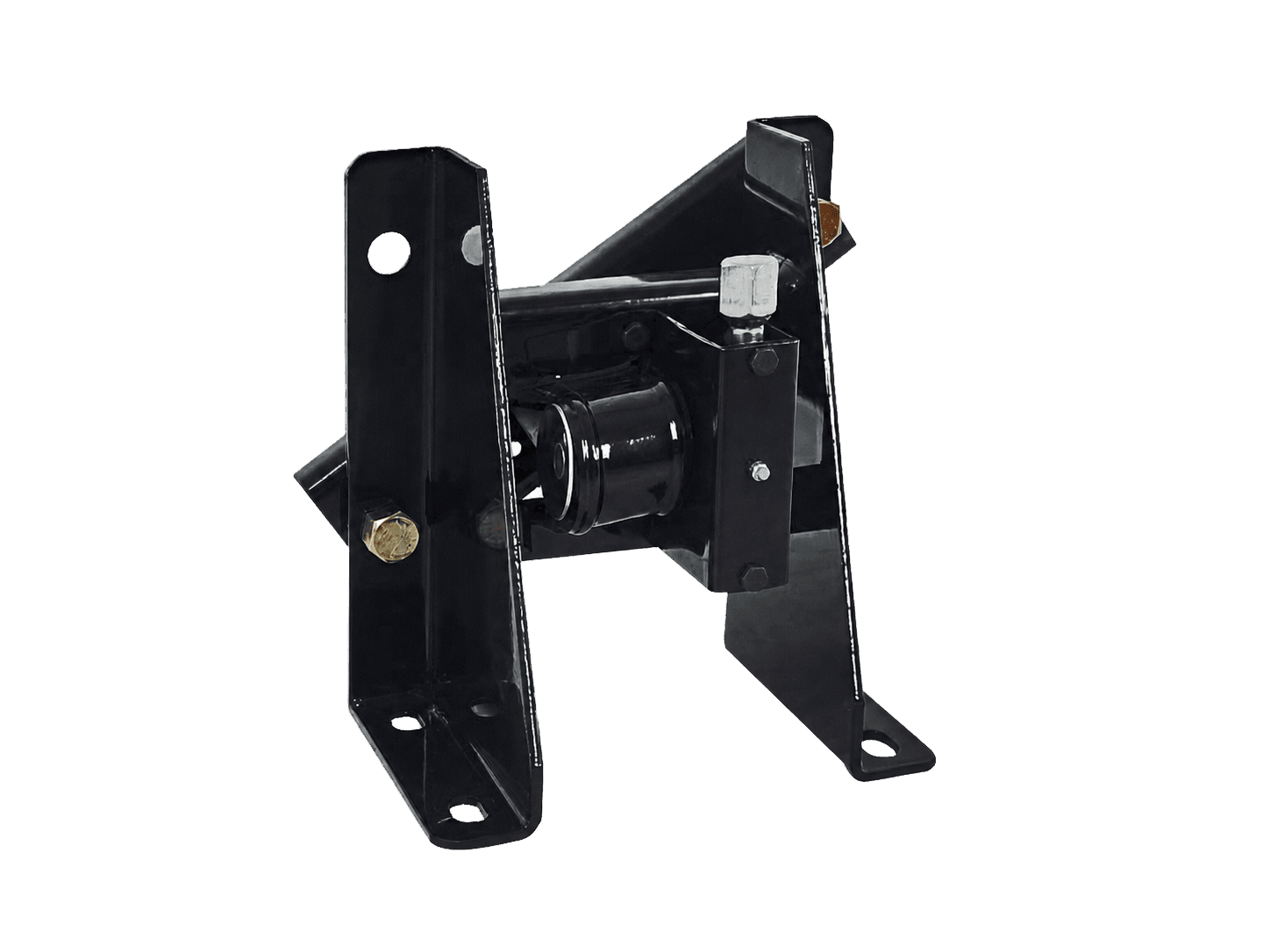
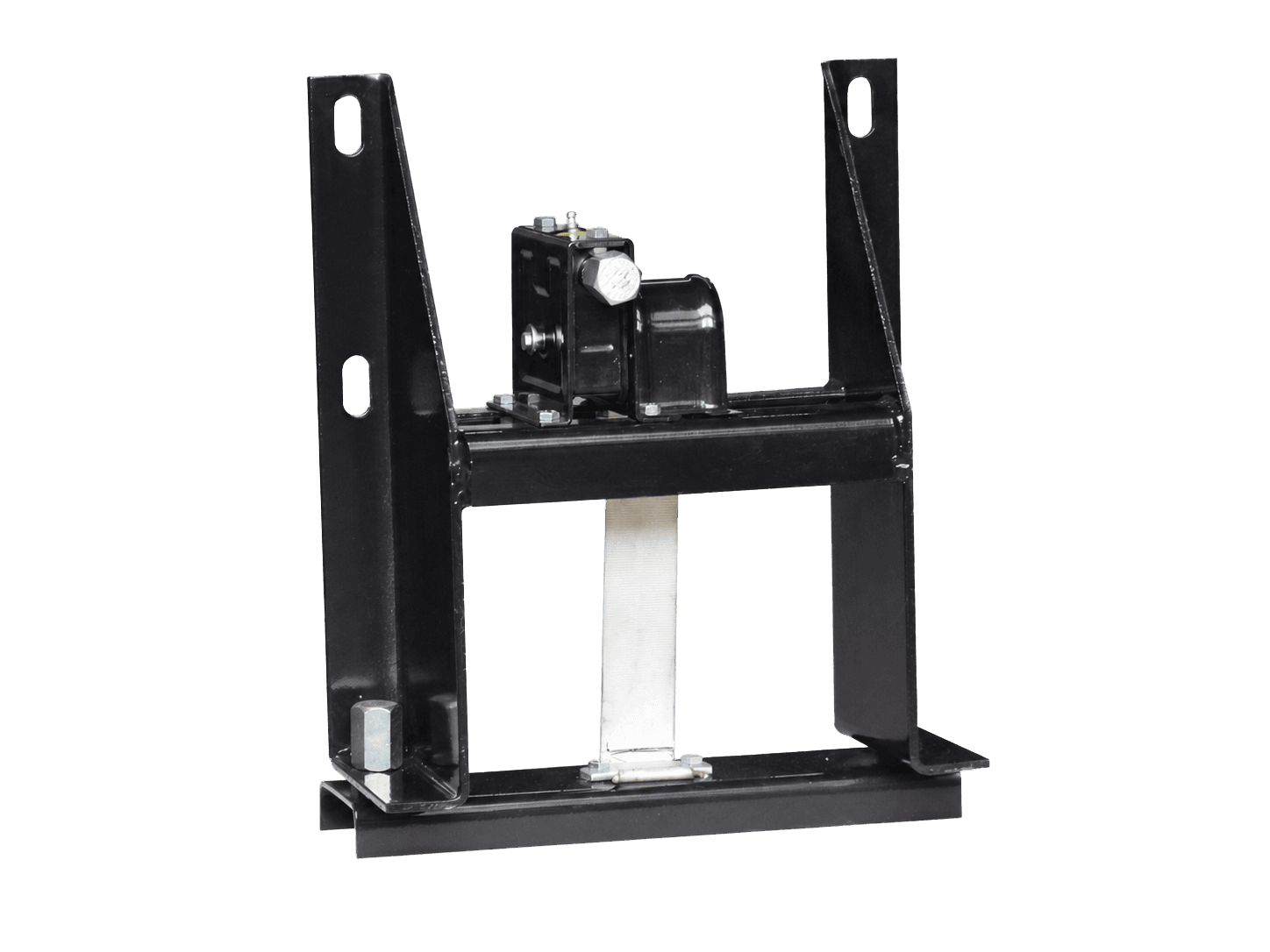
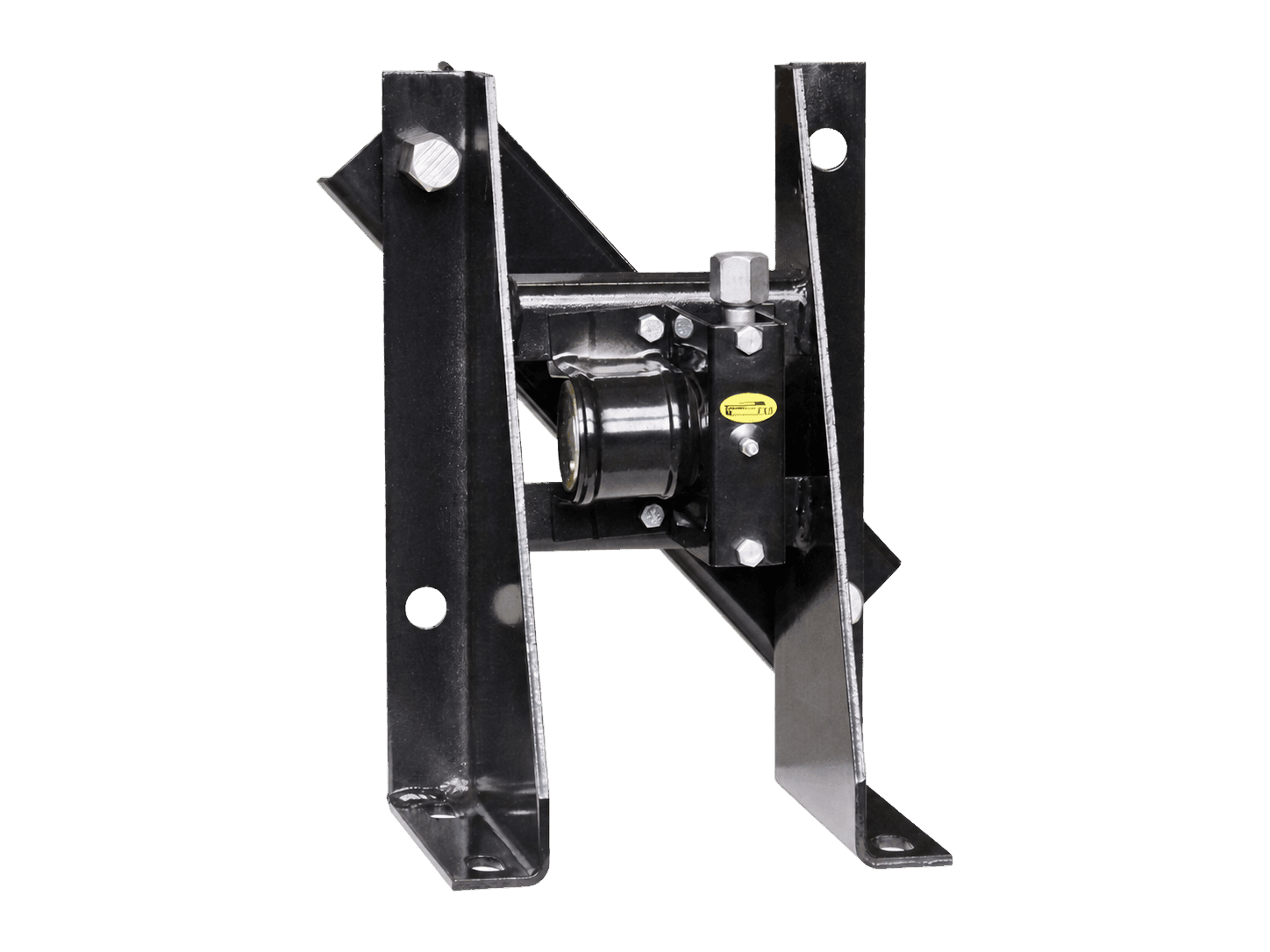
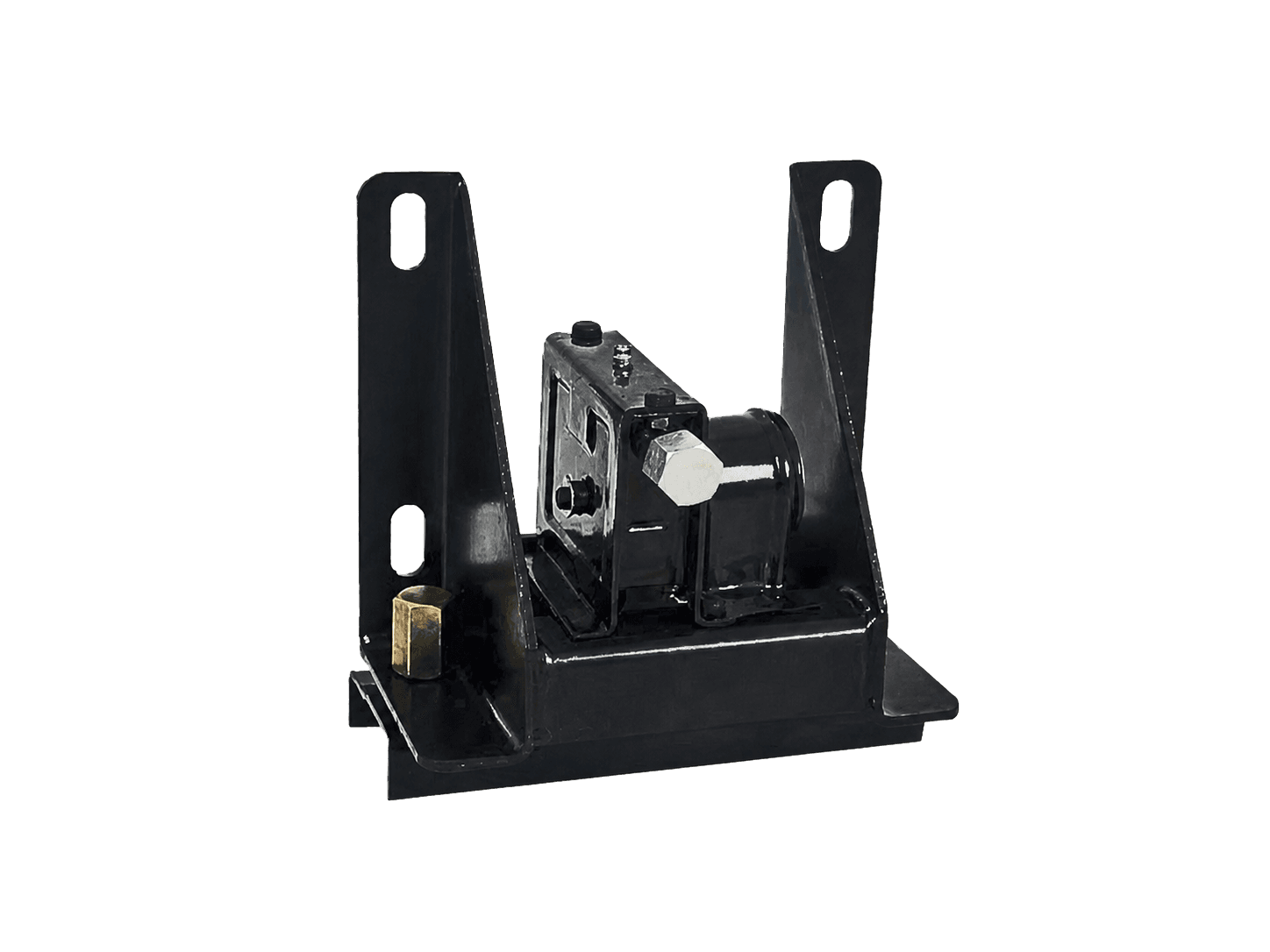
What the component does
A spare wheel carrier provides the mechanical arrangement needed to transport a spare wheel with a truck or trailer-related vehicle configuration. The TMS-321 belongs to the spare wheel carrier product group and is described as an Atego-type design. Its role is limited to carrying the spare wheel; the suitability of the complete installation depends on the vehicle, chassis arrangement, wheel specification and mounting details.
The carrier is intended for a chassis-oriented layout rather than a general-purpose storage location. This makes the surrounding chassis structure, clearance and access path part of the selection decision. The available product facts do not define a wheel size, mounting dimensions, material specification or load rating, so these details should not be assumed from the product code or from the vehicle name alone.
Where it fits in the vehicle workflow
In a vehicle build or repair workflow, the spare wheel carrier is considered alongside chassis equipment, bodywork, suspension clearance and service access. A bodybuilder may need to coordinate its position with tanks, toolboxes, mudguards, exhaust-related components and other equipment already installed on the chassis. A workshop may instead be replacing an existing carrier or preparing a maintenance and parts-renewal project.
The TMS-321 can therefore be relevant to Atego-type applications, spare wheel transport systems and component renewal work. Before selecting it, identify whether the vehicle is being built, modified or repaired. The same nominal vehicle type can have different chassis layouts or installed equipment, and these differences may affect the available mounting position and the practical operation of the mechanical carrier.
Compatibility and selection checks
The vehicle model and exact chassis configuration should be confirmed before purchase. Check the intended mounting location, chassis geometry, access for loading and removal, and the relationship between the spare wheel and nearby vehicle components. The wheel itself should also be identified, including the relevant rim and tyre arrangement, because the carrier must suit the actual spare wheel used in the vehicle system.
A reliable enquiry should include the vehicle identification details available to the buyer, the Atego model or application information, chassis photographs or drawings where appropriate, and the proposed mounting position. If the carrier is replacing an existing unit, provide its current location and any available reference information. When any dimension, fixing pattern, clearance or application detail is uncertain, ask the technical team to verify compatibility rather than relying on visual similarity.
Installation and inspection context
Installation should be planned around the chassis mounting arrangement and the instructions or technical information supplied for the specific application. The mounting position should allow the spare wheel to be secured and removed without unsafe interference from adjacent components. The workshop should also consider whether the carrier can be inspected after installation and whether its operating parts remain accessible during normal service work.
After fitting, inspect the carrier’s attachment points and confirm that the mechanism operates through its intended movement without contact with the chassis, body or other equipment. Check that the spare wheel is retained correctly for the actual installation. Exact fastener requirements, tightening values and any application-specific procedures are not provided in the available product facts, so they must be established from the approved technical information for the vehicle and installation.
Maintenance and precise enquiries
Maintenance attention should focus on the carrier’s mechanical condition, mounting security and continued clearance from surrounding equipment. During scheduled inspections, look for looseness, damage, deformation, unusual movement or obstruction of the mechanism. The spare wheel retention arrangement and the area around the chassis mounting should be checked as part of the vehicle’s normal inspection practice, with any issue assessed before the vehicle returns to service.
For a precise quotation or compatibility review, state the product code TMS-321, the vehicle model and configuration, the chassis mounting location, the spare wheel details and whether the request concerns a new build, replacement or repair. Include photographs, drawings or measurements when available, but treat them as supporting information rather than a substitute for technical confirmation. This gives the supplier’s technical team the information needed to review the application without making unsupported assumptions about fitment.